







Atomic Computing: Ian Rogers’ Trajectory from Music Streaming to Digital Security Leadership
Key Takeaways
- Ian Rogers has dedicated his career to the intersection of technology and culture.
- Previously leading Apple Music, he now drives the security and AI strategy at $1.5 billion startup Ledger.
- Ledger safeguards digital private property—such as Bitcoin and other cryptocurrencies—via secure hardware chips comparable to those found in credit cards.
He played a foundational role in shaping the technological landscape of the internet era, growing up in Indiana in the early 1990s alongside the rise of the web. “It felt like rocket science when I began; people referred to computer science as such,” he explains to Entrepreneur, noting that by the mid-90s the field had democratized to the point where even AOL users were experimenting with search and collaboration. This pioneering spirit naturally evolved into a passion for music, leading him to leave graduate school to tour with a band before heading to California.
Awarded a chance at prominence in California, Rogers helped construct a popular MP3 player, which was subsequently sold to AOL in 1999 and later absorbed by Yahoo. His expertise culminated in leading Yahoo Music from 2003 to 2008. He subsequently built Beats Music and guided its 2014 sale to Apple. Within Apple, he assumed the role of senior director of Apple Music, supervising the strategic launch of the service in 2015.
Rogers retains a strong emotional link to this lineage. When asked by his spouse to justify his allegiance to Apple Music over rivals like Spotify, his response was blunt: “Because I built it.” This personal ownership informs his philosophy on product design. Rogers observes that customers purchase entire ecosystems—trading blue bubbles for green ones via features like AirDrop and FaceTime—to define their brand identity.
Drawing from Apple’s mastery of seamless integration, Rogers has analyzed how industries consolidate habits. His experience at Apple underscored that successful companies deliver experiences that “just work,” a principle he hopes carries forward to the emerging world of decentralized finance.
From Indiana to Apple Music
Rogers grew up in Indiana and intersected with computer science in the early 1990s, precisely as the internet began to permeate daily life. “Studying computer science back then required guts because it looked revolutionary, yet by the time classes finished, people were frantically searching AOL,” he recounts to Entrepreneur. “I was witnessing the birth of the web and contributed to some of its earliest digital frameworks.”
His initial technical curiosity soon merged with the burgeoning music industry. Leaving academia, he traveled extensively, eventually setting up shop in California. There, he constructed a popular MP3 player that earned significant attention. His work attracted enough talent for Yahoo to acquire the subsequent music application in 2000. Moving beyond music streaming, he assumed leadership of Yahoo Music from 2003 through 2008.
He later founded Beats Music, a venture famously acquired by Apple in 2014. Recognizing the value of his product pedigree, Rogers joined Apple to lead services, becoming senior director of Apple Music. Under his oversight, Apple Music launched globally in 2015.
Rogers never fully severed ties with his origins. While stepping away from Apple, he often spoke of how building Beats shaped his perspective on proprietary systems. Now working from rural Italy, he finds comfort in the data. His title is chief human agency officer at Ledger, where he oversees the company’s expansion as a leader in digital security.

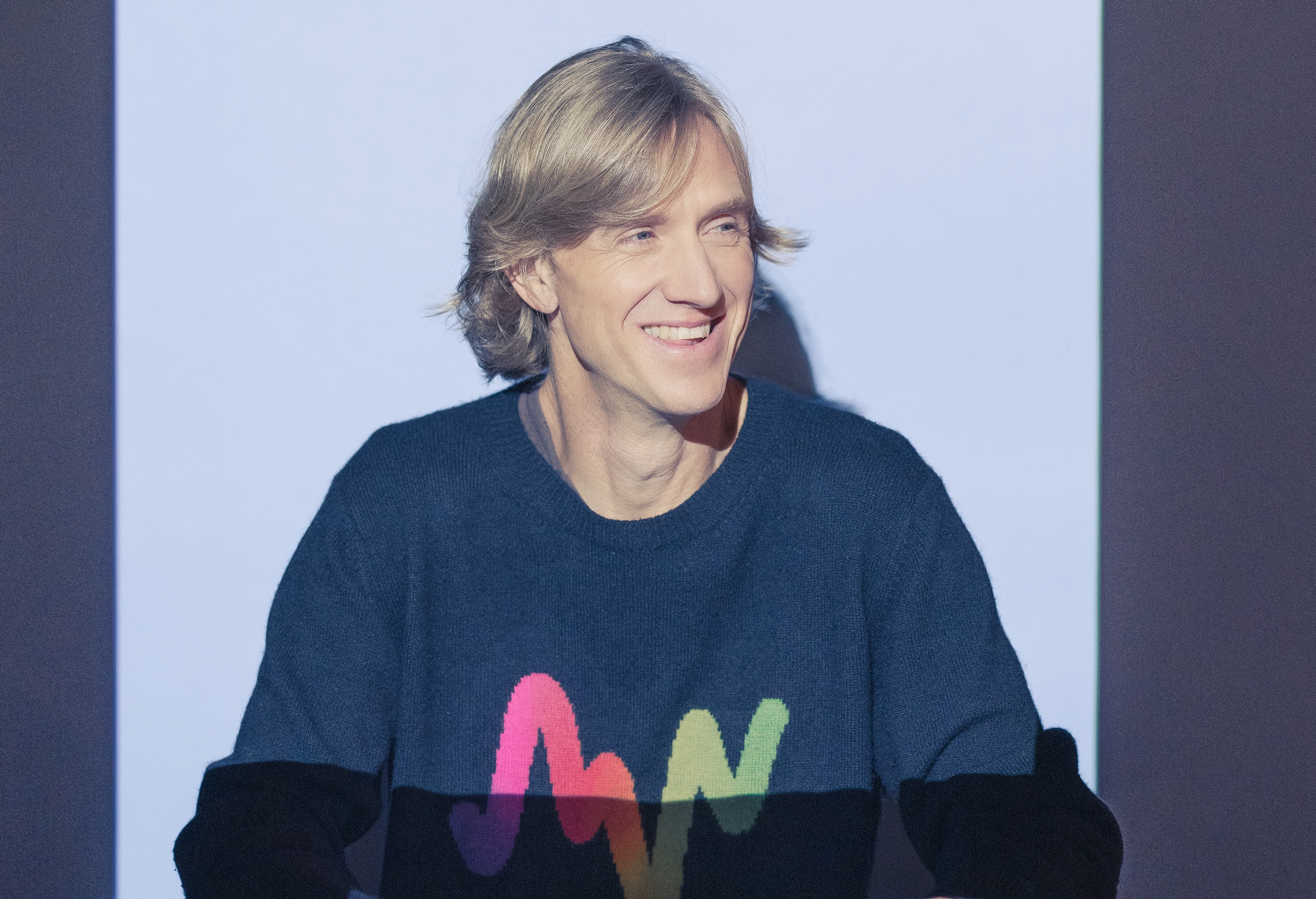
Why Ledger Exists
The Paris-based firm was established in 2014 by Nicolas Bacca, Eric Larcheveque, and Joel Pobeda, with Rogers joining the team in 2021 as chief experience officer. By 2021, the startup had been valued at $1.5 billion. Its foundational premise posits that the robust cryptographic hardware originally designed to secure government-grade credentials in credit cards and passports can effectively safeguard digital assets such as cryptocurrencies.
Ledger manufactures physical hardware crypto wallets that house the private keys necessary to encrypt and access digital portfolios. These devices isolate the sensitive keys entirely offline, rendering traditional cyber‑attacks ineffective against the stored assets.
Among its innovations is the $179 NanoGen 5 series, marketed to “protect your assets and identity.” With sales exceeding eight million units, the device counts among the most widely deployed hardware solutions in the space.
Advice for Founders
Current CEO Rogers offers a candid framework for founders navigating the current technological landscape. He asserts that “AI security stands as a top-three crisis confronting humanity today,” emphasizing that the true challenge is one of human stewardship rather than pure algorithmic complexity.
“Looking ahead, humans will function as middle‑to‑middle managers,” Rogers predicts. “End‑to‑end individuals will initiate processes and validate outcomes, while intelligent agents handle the intermediate execution. My advice, if I were twenty‑five today, is to prioritize mastering the art of managing AI agents.”
To succeed in this dual capacity, Rogers stresses practical engagement. “The secret lies in getting your hands dirty with the actual tools,” he advises. “If you want to make significant contributions—as a founder or otherwise—the best method is to experiment directly with cutting‑edge software, much like I did with web technologies during earlier decades.”
The overarching strategy he champions involves rigorous market analysis grounded in genuine pain points. He candidly reflects on past misjudgments, noting that he once sizable product ideas stemmed primarily from familiar domains like music or social spaces. Conversely, the most successful ventures arise when creators dig into urgent, under‑served challenges—such as logistics or insurance—and engineer precise solutions to relieve operational friction.
Atomic Computing: Ian Rogers’ Trajectory from Music Streaming to Digital Security Leadership
Also Read
- Oil Prices Rise Dramatically as Regional Conflict Fuels Global Supply Pressures
- Historic Royal Navy Aircraft Fly Over HMS Queen Elizabeth During NATO Deployment
- Uganda’s Royal Succession Crisis Unfolds Amid Palace Intrigue
- Washington Abandons Diplomacy: The US Shifts to Military Posture on Iran’s Nuclear Program


