






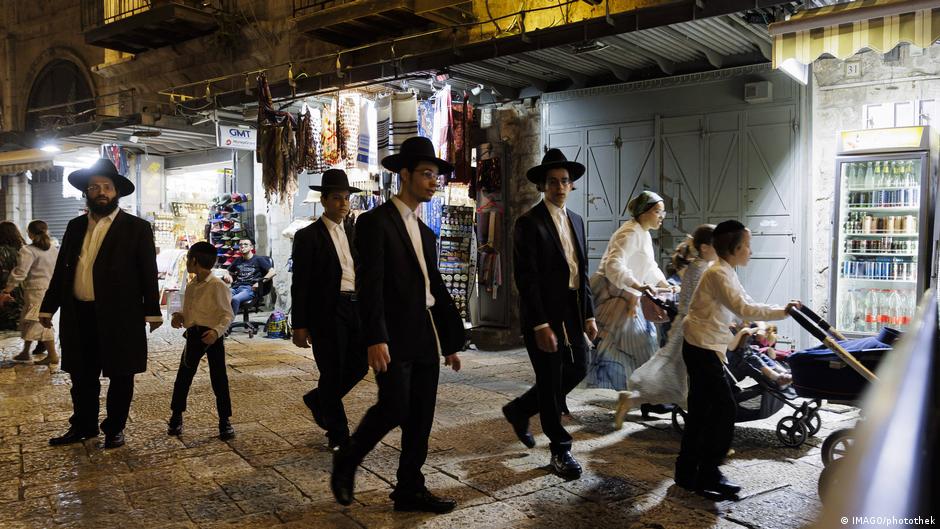
Aerial footage of Shlomo HaMelech Street in Bnei Brak, a city of approximately 200,000 located east of Tel Aviv and known for its ultra-Orthodox Jewish community, reveals no immediate signs of the escalating dispute over pedestrian movement.
The street, flanked by residential buildings, shows only a few pedestrians—mostly men in traditional black hats and coats and a handful of women—on its sidewalks. Yet, this tranquil scene masks a heated debate over the implementation of gender segregation in public spaces.
Local reports indicate the Bnei Brak municipality had initiated sidewalk widening, erected barriers, and installed signage to physically separate male and female pedestrians. If completed, Bnei Brak would become the first Israeli city to enforce such segregation in public areas. However, widespread backlash led to the suspension of these efforts, with existing signs subsequently dismantled.
Conservative Religious Influence and Legislative Tensions
Detractors argue that Bnei Brak’s initiative could set a precedent bolstering Orthodox religious authorities, particularly ahead of Israel’s October elections. A parallel legislative proposal in the Knesset, Israel’s parliament, has intensified concerns over eroding gender equality, despite Supreme Court rulings affirming equal rights.
Gender segregation is deeply rooted in Orthodox Jewish practices, with separate seating in synagogues, wedding venues, and holiday events. The Bnei Brak proposal stems from local rabbis seeking to ensure gender separation for attendees entering banquet halls. Critics highlight that public funding would enforce segregation in ostensibly neutral civic spaces.
City officials now claim they will implement temporary street arrangements for large events instead. This follows demographic shifts in Israel favoring conservative, higher-birthrate Orthodox communities, which are increasingly shaping national policy. While the state upholds legal equality, its founding principles also recognize religious traditions prioritized by these communities.
Israeli Supreme Court rulings have previously blocked enforced segregation. A 2011 decision prohibited gender-separated public buses, and a 2017 ruling required Beit Shemesh to remove “decency signs” dictating women’s behavior near religious schools, though enforcement faced delays and pushback.
Opponents of the Bnei Brak plan have lodged an urgent appeal to the Supreme Court, seeking a similar ruling. Meanwhile, the Knesset’s recent approval of segregated master’s and doctoral programs has drawn criticism. While framed as voluntary and education-focused, universities argue it risks undermining academic rigor in fields like medicine and restricting women’s access to specialized careers.
The legislation, among several controversial last-minute laws, reflects Prime Minister Benjamin Netanyahu’s coalition agenda. Other measures limit prosecutorial oversight, expand government media influence, and elevate Torah study as a constitutional “foundational value”—a move critics link to Orthodox exemption from military service. These debates, central to Israeli society, are poised to shape the October election discourse.
Why the Iran war left Israelis more skeptical of Netanyahu
To view this video please enable JavaScript, and consider upgrading to a web browser that supports HTML5 video


