







This week, NASA’s Perseverance rover identified the highest concentration of organic molecules yet on Mars, analyzing mudstone samples from Jezero crater’s ancient lakebed. Researchers confirmed widespread complex carbon‑based compounds, suggesting the presence of fossilized microbes.
New observations from the James Webb Space Telescope reveal that early galaxies lived fast and died young, offering a glimpse into the eventual fate of our own galaxy. JWST also captured the formation of a distant star in Orion, while the Euclid telescope produced the most detailed image of the Milky Way to date.
Unusual Hominin Finds
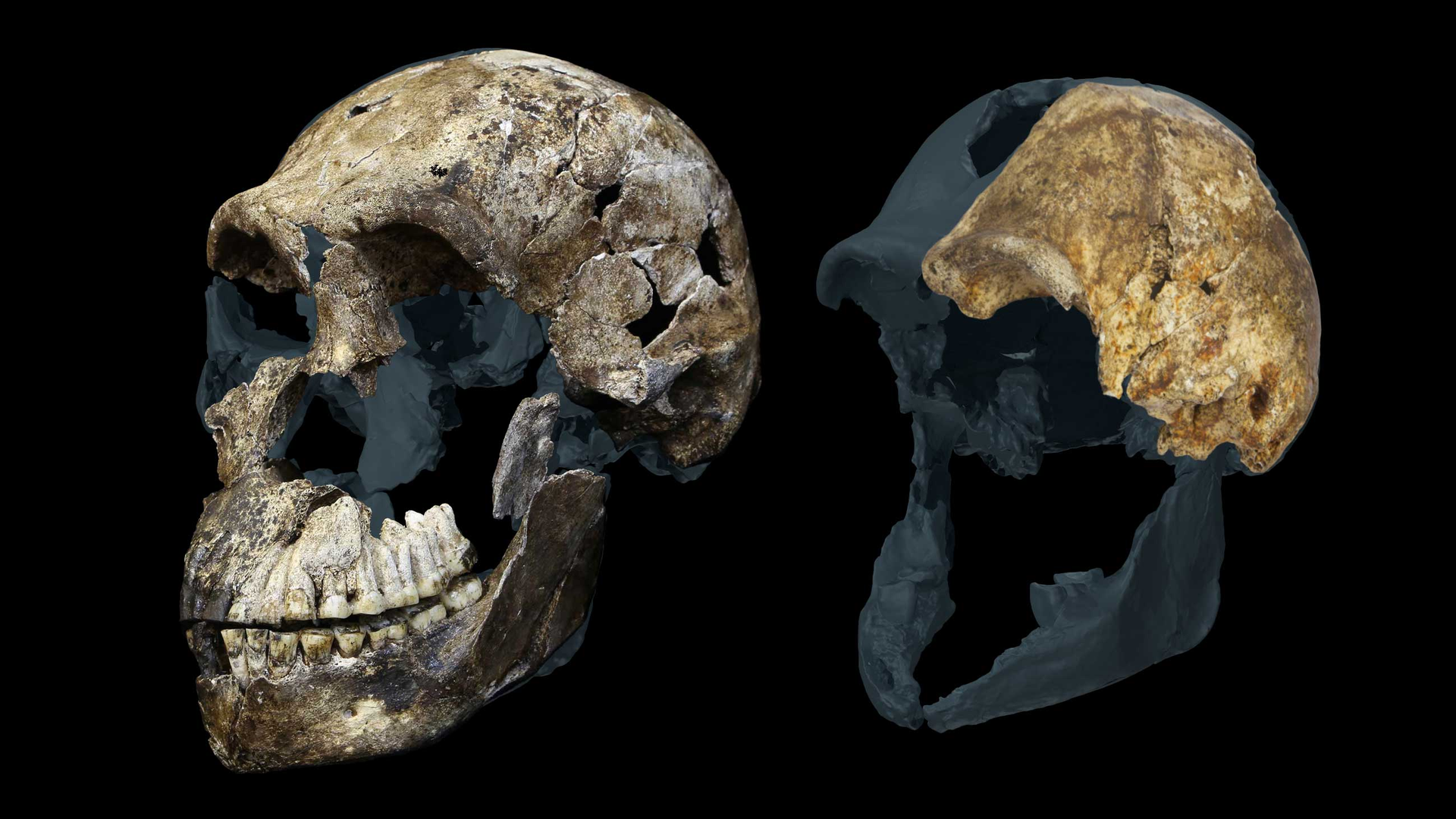

The largest (left) and smallest (right) skulls of I was born a man discovered in South Africa’s Rising Star cave system. All specimens of H. naledi examined are female.
(Image credit: Rising Star Program)
The hominin *Homo naledi*, uncovered in a South African cave in 2013, continues to surprise. Dating to roughly 300,000 years ago, it may have used fire and buried its dead. New genetic analysis of enamel from nearly two dozen specimens shows that every individual examined was female, an unprecedented finding for this puzzling species.
“It’s a weird result from an already weird hominin,” said Elizabeth Sawchuk, curator of human evolution at the Cleveland Museum of Natural History.
Life’s Little Mysteries

The remarkably straight Stane Street in southern England was built by the Romans.
(Image credit: Tim Stocker Photography via Getty Images)
Romans constructed famously straight roads centuries before modern surveying tools existed. Their engineers achieved this precision using simple tools such as straightedges, geometry, and careful observation of the terrain.
Water May Consist of Two Interchanging Liquids
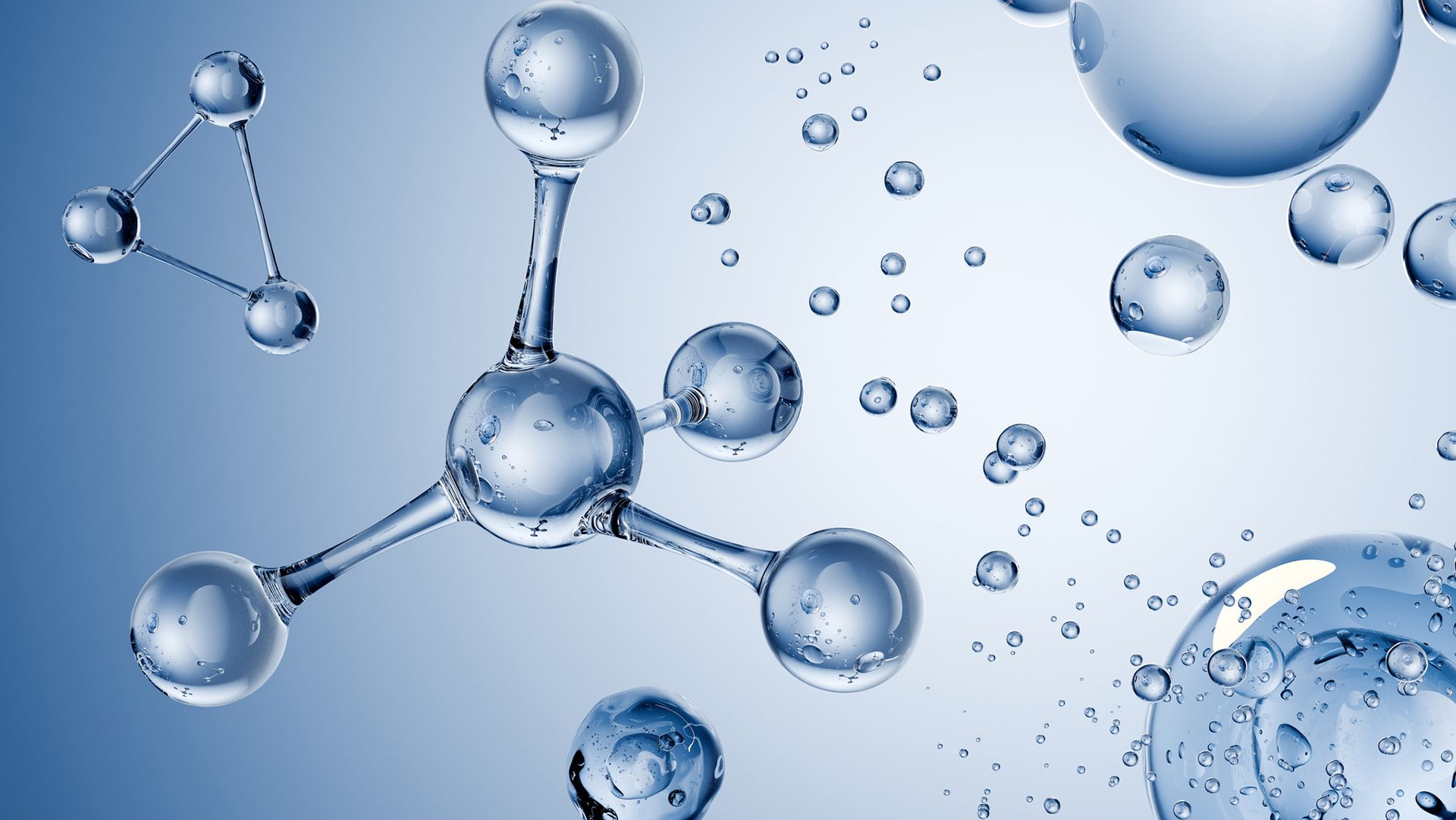
An illustration of a water molecule. New research supports the hypothesis that water alternates between two liquid structures.
(Image credit: Yaroslav Kushta via Getty Images)
Water’s unusual properties—such as ice floating, high heat capacity, and pressure‑dependent viscosity—have long puzzled scientists. A growing body of evidence suggests these behaviors arise because water can exist in two distinct liquid states, a dense and a less‑dense form that constantly interconvert. Recent AI‑assisted analysis provides compelling support for this two‑liquid model.
Also Read
- Apple and Audi alumni have made a luxe EV based on the moon buggy
- Brewing the Future: Innovative Project Uses NASA Data to Simulate the Taste of Martian Coffee
- Ballista Spider’s Aggressive Ant Trap Captured in Queensland Rainforests
- Genetic Code Expansion with Machine Learning Can Bridge the Lab to Market Gap


