




Sydney Sweeney’s upcoming Netflix sci-fi adventure presents a compelling alternative to the Transformers franchise. Featuring spectacular machinery, interplanetary conflict, and large-scale battles with humanity’s future at stake, the project combines the ingredients of a major blockbuster with a fresh approach that appeals to giant-robot enthusiasts without replicating an existing formula.
For nearly twenty years, live-action science-fiction spectacles have demonstrated the commercial viability of adapting popular toys and animated properties into cinematic universes. Sustaining audience interest across multiple sequels remains challenging, especially when studios struggle to balance recognizable characters with original ideas. Even the most successful franchises eventually need to reassess their direction, and viewers seeking something different often face long waits between installments. The most promising alternatives do not always imitate what came before; sometimes, an established science-fiction universe provides a new perspective on familiar elements.
Netflix may have the answer. Starring Sydney Sweeney and Noah Centineo, the streaming service’s upcoming live-action adaptation of Gundam introduces one of Japan’s most influential science-fiction franchises to a worldwide audience through an original story about rival pilots on opposing sides of a decades-long space war.
Gundam Arrives as Transformers’ Future Remains Uncertain
The Transformers franchise is not ending, but its next major film chapter remains uncertain. Following Transformers: Rise of the Beasts in 2023, Paramount began developing several new projects, leaving the series’ future divided across multiple potential directions instead of a clearly defined sequel. A proposed follow-up to Transformers: The Last Knight was abandoned after the 2017 film underperformed, although Bumblebee and Rise of the Beasts showed the franchise could explore different tones and timelines. More recently, Paramount has continued developing new live-action movies, including projects linked to director Josh Cooley and filmmaker Ángel Manuel Soto.
In October 2026, Steven Spielberg joined as a lead creative producer on another prospective installment, with Michael Bay reportedly in talks to direct. However, the film’s title, cast, and release date have not been confirmed. This creates an opening for another giant-robot property to capture the attention of science-fiction audiences. Netflix’s live-action Gundam will not replace Transformers outright, nor does it need to. Rather, it offers a different interpretation of the spectacle that makes these franchises appealing.
Sydney Sweeney’s Gundam Film Is Well-Suited for Transformers Fans

Netflix’s live-action Gundam has a particularly appealing combination of ingredients for fans of Transformers. It features enormous mechanical warriors, rival factions, futuristic technology, and a conflict with consequences for humanity. At the same time, the film offers something that could set it apart from Hollywood competition: Gundam centers on the people inside the machines.
Directed by Jim Mickle, whose credits include Sweet Tooth and Cold in July, Gundam stars Sweeney and Centineo as rival mech pilots fighting on opposite sides of a decades-long war between Earth and its former space colonies. Shifting allegiances and an emerging threat force the adversaries into a race across the stars that could determine humanity’s future.
The setup provides ample opportunity for spectacular action, but the conflict between its central characters is equally important. Transformers has often relied on the clash between Autobots and Decepticons, with Optimus Prime and Megatron representing opposing visions of power and freedom. Gundam can explore similarly complicated loyalties through human pilots whose choices carry immediate personal consequences.
Key Differences Between Gundam and Transformers
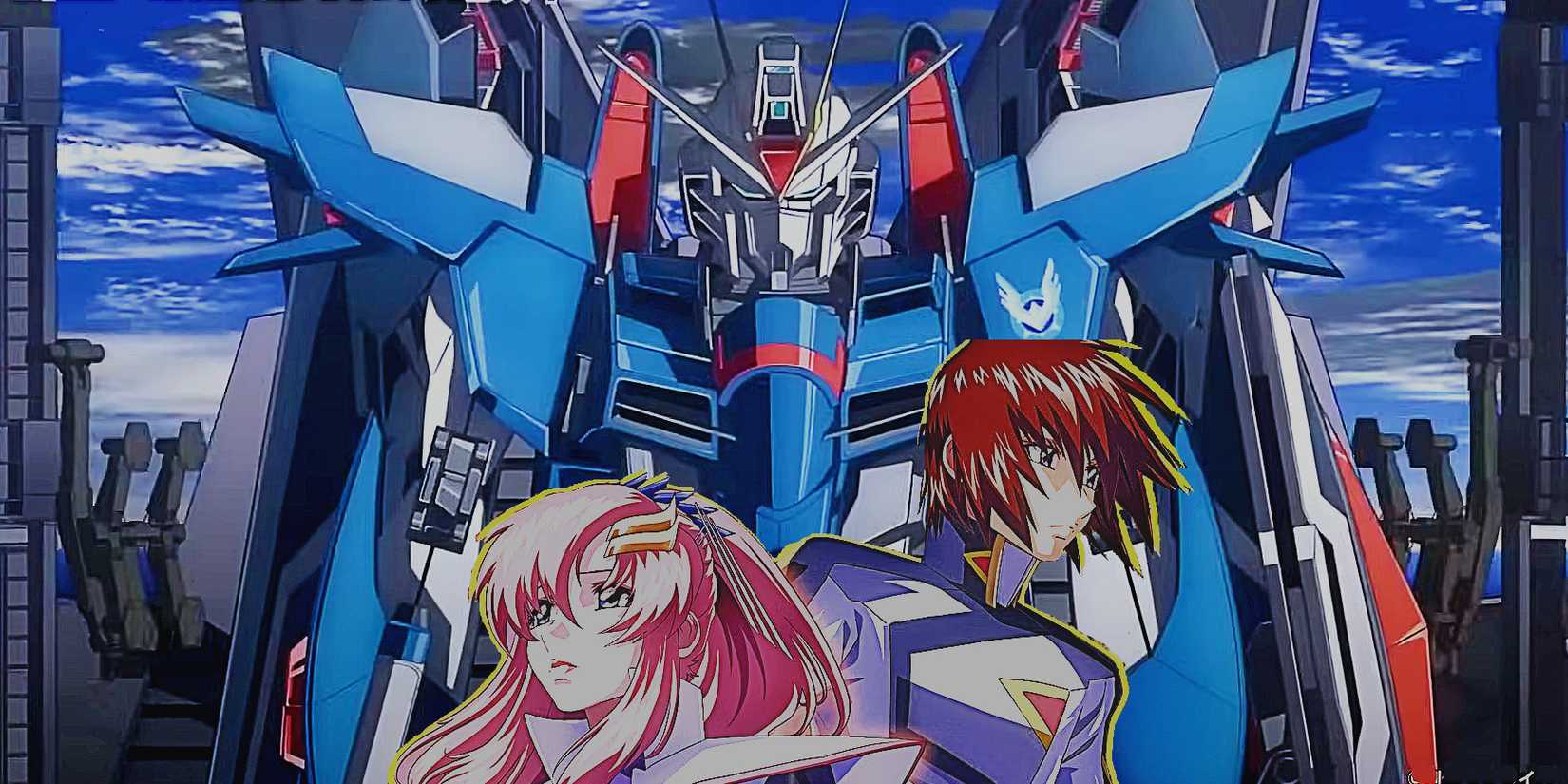
Although both franchises feature giant robots, their fundamental approaches to science fiction differ significantly. The most important distinction is that Transformers centers on alien mechanical beings with their own personalities, histories, and motivations, whereas Gundam generally depicts humans piloting enormous machines known as mobile suits.
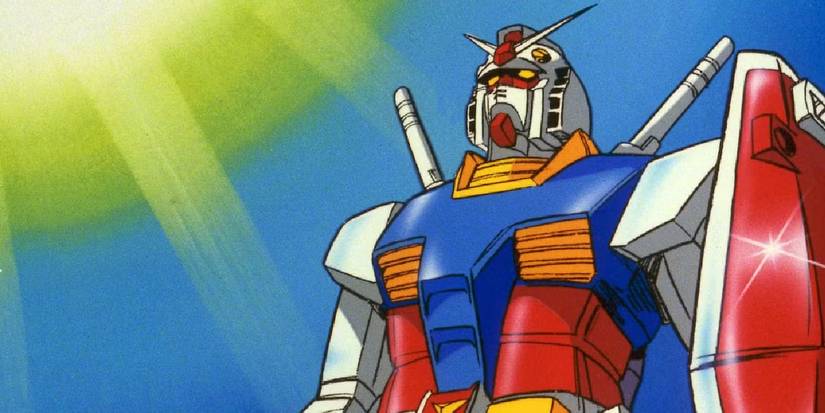
The original Mobile Suit Gundam debuted in Japan in 1979. Created by Yoshiyuki Tomino, it helped establish the “real robot” subgenre by treating its machines as military weapons rather than simply heroic characters with extraordinary abilities. Its conflicts involve political rivalries, military strategy, and the devastating consequences of war.
In Transformers, Optimus Prime and Bumblebee can make independent decisions, fight their own battles, and transform into vehicles. In Gundam, mobile suits are powerful tools, but their effectiveness depends on the people controlling them. The pilots’ loyalties, fears, and tactical decisions can determine the outcome of a battle.
The franchise also has a broader history than viewers unfamiliar with anime might realize. Since the original series, Gundam has expanded into numerous television shows, films, and other projects, with different timelines and interpretations of its central concept.
The live-action adaptation’s original story should make it accessible to newcomers without requiring them to study decades of continuity. At the same time, the underlying premise offers opportunities to explore the political complexity and human drama that have distinguished Gundam from more straightforward giant-robot adventures.
Gundam Has the Potential to Become a Major Netflix Franchise
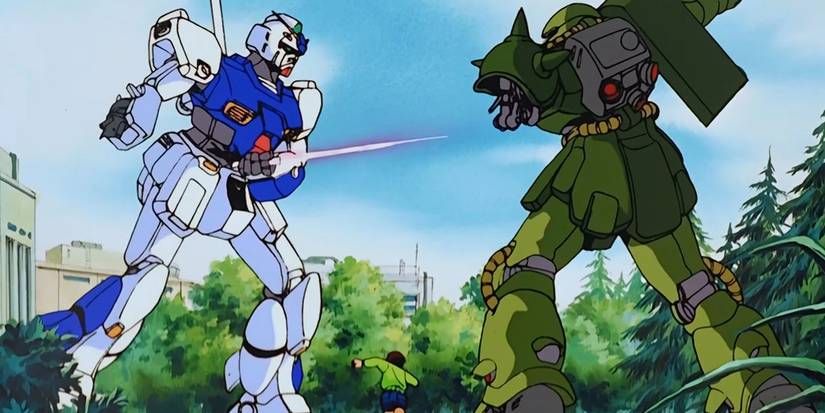
Netflix has a compelling opportunity to turn Gundam into a major global science-fiction property. The franchise has decades of source material, a recognizable visual identity, and an established international audience, while the live-action adaptation provides a potential entry point for viewers who have never watched its animated series.
The project is produced by Legendary Pictures in partnership with Bandai Namco Filmworks, uniting a major Hollywood production company with the organization behind the original franchise. This could lead to multiple live-action movies, a Netflix series, and even incorporate decades of the original anime.
There is also a practical advantage to launching Gundam on Netflix. A streaming release gives audiences worldwide an opportunity to discover the film without relying entirely on theatrical availability, potentially helping the property reach viewers who would not ordinarily seek out a Japanese science-fiction adaptation.
The franchise’s extensive history offers plenty of possibilities if the first film succeeds. Different conflicts, mobile suit designs, rivalries, and political settings could support further stories without requiring every installment to follow the same characters. However, Netflix would need to establish a compelling identity for its live-action universe before committing to an expansive slate.
For now, the Gundam film is brimming with potential rather than being a guaranteed franchise starter. With principal photography completed in Australia in July 2026, it is moving through post-production, and reports have indicated a potential 2027 release. Netflix has not announced a definitive release date.
If the adaptation delivers convincing mechanical action alongside a thoughtful human story, Gundam could give science-fiction fans a fresh alternative while Transformers develops its next cinematic chapter.
Also Read
- Lazer Bullet Announce Debut Album 40K Psychosis Angel: Hear “Angel Shit”
- Heartworms tells us about dance-driven single ‘Guess I’m Stuck In The Dark’ and tackling “uncertainty and dark humour” on new album
- How to Get Fake Blood Out of Clothes and Costumes
- Kesha Finally Releases the Long-Lost ‘Backstabber’ Music Video After 16 Years