






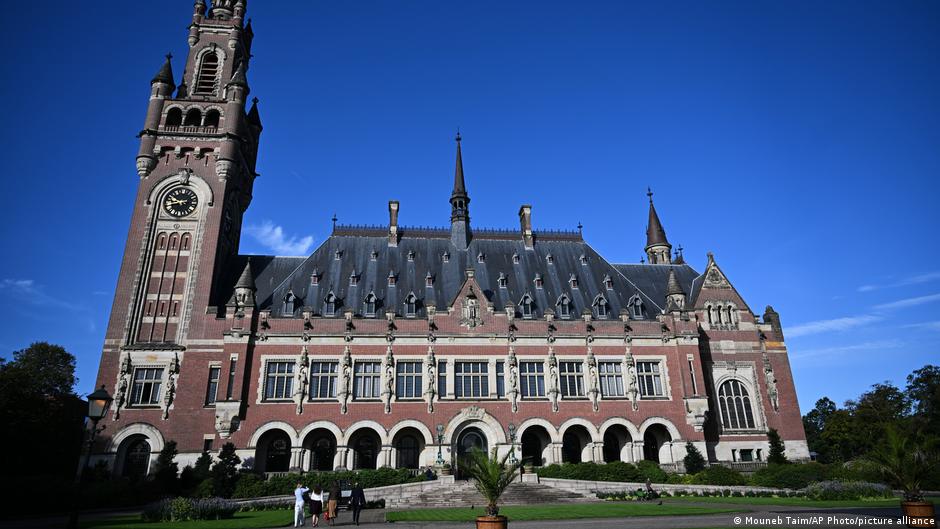
Germany has formally requested that the International Court of Justice (ICJ) dismiss a lawsuit filed by Nicaragua, which alleges that Berlin breached the 1948 Genocide Convention by providing military aid to Israel during its ongoing conflict with Hamas in Gaza.
If the World Court decides to proceed with the case, the legal process is expected to span several years and will likely depend on the outcomes of other pending Gaza-related cases at The Hague.
However, Germany is arguing that the case should not proceed at all, asserting that Nicaragua failed to follow proper legal protocols and that the dispute falls outside the international court’s jurisdiction.
Nicaragua, conversely, contends that the case must be heard, as both nations are signatories to the Genocide Convention. This argument holds true despite neither country being a direct participant in the Israel-Hamas conflict, and even though a definitive ruling on alleged genocidal acts in Gaza could take years.
What is the case about?
Nicaragua accuses Germany of complicity in genocide in Gaza, alleging that weapons sold to Israel have been utilized in the territory.
While an earlier attempt to secure an emergency injunction halting weapon exports in 2024 proved unsuccessful, Germany’s subsequent push to have the case summarily and permanently dismissed was also rejected.
The German government temporarily suspended arms exports to Israel for approximately three months in 2025 as the conflict persisted and casualties mounted. However, exports were resumed following a late-year truce that significantly halted combat operations, though Israeli strikes did not cease entirely.
The case places Germany in a delicate historical and political position.
On one hand, the 1948 Genocide Convention was largely born out of the lessons of the Holocaust and the post-World War II imperative of “never again.” On the other hand, Germany has strived to maintain close, cooperative relations with Israel—a state established largely as a result of Germany’s historical extermination of European Jews. Berlin views the security of Israel as integral to its own identity as a modern democratic nation.
Israel’s military campaign in Gaza was initiated in response to the Hamas terror attacks of October 7, 2023, which marked the deadliest day for Jewish people since the Holocaust. Hamas is a Palestinian Islamist organization based in the Gaza Strip.
What is Germany arguing?
Germany is asserting that the lawsuit should be dismissed on procedural grounds, while also maintaining that Nicaragua’s claims of aiding and abetting genocide are entirely unfounded.
Although Germany, Nicaragua, and Israel are all signatories to the Genocide Convention, a case of this nature—where neither plaintiff nor defendant is a direct party to the active conflict—is highly unusual. German representatives have argued that Nicaragua failed to take the necessary steps prior to filing and that much of the case falls outside the ICJ’s jurisdiction.
“Germany respectfully requests the court to reject Nicaragua’s claims,” stated Julia Monar, legal adviser to the German Foreign Ministry, in her address to the judges.
“All German weapons exports to Israel and other nations are subject to rigorous review procedures that exceed international regulatory standards,” Monar also told the court, highlighting Germany’s post-World War II policy of maintaining highly restrictive arms export controls.
In mid-May, Germany’s Bundestag parliament disclosed that between November 2025—shortly after the truce was established—and March of this year, arms export approvals worth approximately €167 million (around $194 million) were granted.
Could Trump’s Gaza plan cost Palestinians their property?
To view this video please enable JavaScript, and consider upgrading to a web browser that supports HTML5 video
What’s likely to happen next?
Nicaragua’s legal challenge is modeled on the South African lawsuit at the ICJ, which accuses Israel of committing genocidal acts in Gaza.
In a preliminary hearing—whose findings Israel rejected—the court determined that it was plausible Israel committed genocidal acts in Gaza and ordered a full hearing. This process will span several years, with court sessions not anticipated until 2029.
A full hearing in Nicaragua’s case against Germany, should the ICJ choose to proceed, will likely depend on the resolution of the broader genocide allegations against Israel.
More immediately, Nicaragua is scheduled to present its arguments in The Hague on Tuesday.
A decision regarding Germany’s attempt to dismiss the case entirely is tentatively expected later this year.
The ICJ is the principal judicial organ of the United Nations, responsible for resolving disputes between states and adjudicating alleged violations of international treaties. Its rulings are final and binding, with no possibility of appeal.


