






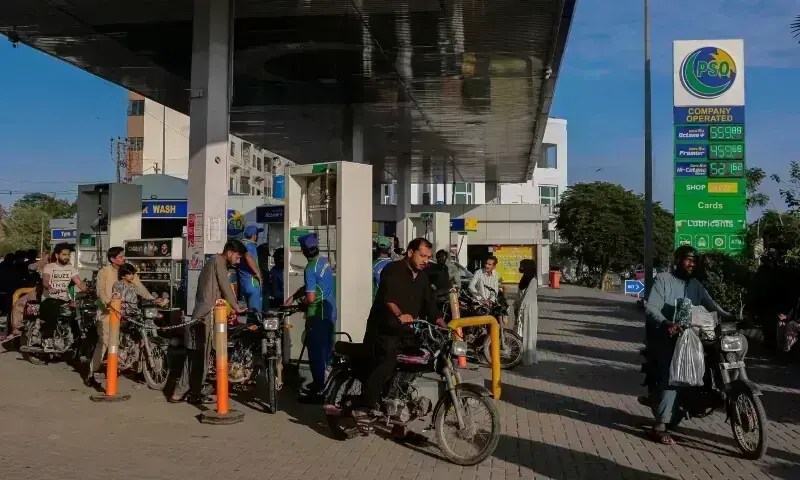
The government is poised to reinstate fuel conservation and austerity initiatives as early as this week or next, driven by renewed instability in the Middle East that is putting upward pressure on oil prices and depleting foreign exchange reserves.
Under the proposed measures, adjustments to petrol and high-speed diesel will occur only on working days—Monday through Friday—marking a shift from historical weekly revisions, though this does not signify full deregulation. Retail prices will be announced each business day by the Petroleum Division in the evening, with Friday’s rates remaining valid through Monday.
State officials noted that price adjustments might reduce further to four days per week once conservation measures are officially implemented, contingent on regional oil market conditions and cabinet approval. Prime Minister Shehbaz Sharif has reviewed the proposal, with formal discussion anticipated at the federal cabinet level this week.
The pricing mechanism overhaul remains limited in scope: the Oil and Gas Regulatory Authority (Ogra) will continue daily price calculations and now publish working papers on its website, a practice not observed for over a decade. The oil price indices from S&P Global Platts will be integrated on a rolling basis, with previously delayed data now phased out systematically. For instance, the July 17–20 price revision incorporated nine days of import data instead of the standard five.
“There is no price deregulation at this stage,” clarified an anonymous official, emphasizing that the government retains control over petroleum levy, climate levy, customs duty, deemed duty, and supply margins for refineries and dealers. Fixed charges will remain under state authority, while global factors like import premiums and insurance continue to lie outside domestic influence.
Approximately Rs110 per litre in petrol taxes and Rs96 per litre in diesel levies currently apply, with any modifications to these fixed rates requiring government approval. Full deregulation could follow, but only after careful consideration of impacts on rural consumers and local refineries. Absent immediate deregulation, ongoing probes into unregistered fuel imports might be reevaluated.
Officials are also exploring infrastructure improvements, including energy storage facilities at major ports. Decisions on fuel conservation will balance technical assessments from the Finance Ministry and State Bank with political considerations, ensuring foreign exchange reserves—currently at $22.67 billion—remain above the critical three-month import threshold.
Conservation measures initially enacted during March’s Hormuz Strait crisis resumed briefly in June but were lifted following an Iran-US ceasefire. Recent oil price surges necessitate their reinstatement. Strategies include compressed work schedules, reduced official vehicle usage, and mandatory online meetings for public sectors, though some limits on market hours and commercial operations have been partially relaxed. Educational institutions may expand digital learning to reduce energy demands.
Also Read
- Cocoa Prices Decline Amid Rising Dollar Strength
- Trump Administration Accuses Cuba of Fueling Domestic Leftist Extremism, Signals Possible Regime Change
- Timing Your Travel Insurance Purchase: Key Deadlines and Last-Minute Considerations
- Trump Pledges No Arrest of Netanyahu in NYC Despite ICC Warrant and Mamdani’s Stance


