








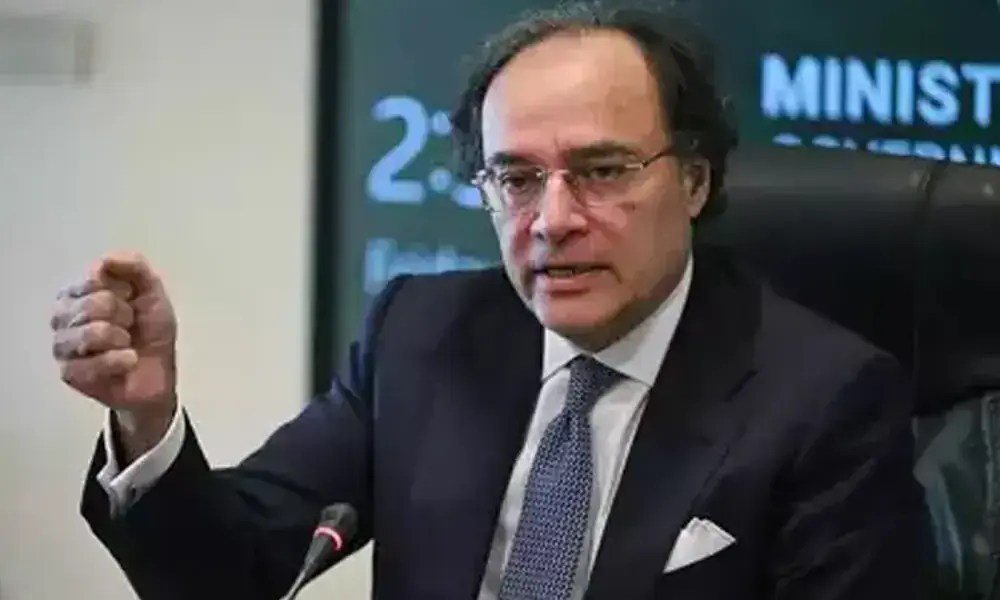
Pakistan’s poultry sector continues to underperform in global markets despite possessing significant untapped export potential, according to Federal Minister for Finance and Revenue Muhammad Aurangzeb. Speaking at an industry stakeholder meeting, the minister highlighted the disconnect between domestic production capacity and international market penetration.
The poultry industry, which has achieved self-sufficiency in meeting domestic demand, currently exports only a fraction of its potential volume. Industry data suggests Pakistan could capture a substantially larger share of the global halal poultry market, particularly in the Middle East and Central Asian regions, where demand for certified halal products remains robust.
Aurangzeb identified several structural barriers impeding export growth, including inconsistent compliance with international sanitary and phytosanitary standards, limited cold-chain infrastructure, and the absence of a cohesive national branding strategy. He emphasized that resolving these bottlenecks would require coordinated action across the Ministries of Commerce, National Food Security, and Maritime Affairs.
Industry representatives present at the meeting cited high production costs — driven by imported feed ingredients and energy tariffs — as a primary factor eroding price competitiveness. They urged the government to rationalize duties on soybean meal and other critical inputs, while also fast-tracking the accreditation of additional processing facilities for export certification.
The finance minister assured stakeholders that the upcoming federal budget would consider targeted incentives for export-oriented poultry clusters, including access to concessional financing and support for compliance upgrades. He also directed the Trade Development Authority of Pakistan to prioritize poultry in its upcoming trade delegation agendas.
With global poultry trade projected to expand steadily over the next decade, Pakistan’s ability to translate its production surplus into export revenue will depend on swift policy implementation and sustained public-private collaboration.
Also Read
- Houthis Issue New Warning to Avoid Saudi Airports After Deadly Attack
- Saudi Arabia Promises Decisive Counterstrike Following Fatal Houthi Assault on Riyadh Airport
- Jordan’s Market Chief Urges Gulf Investors to Diversify, Citing Strong Economic Fundamentals
- Freedom Restored: Indian Youth Protest Leaders Vow Continued Action Against Electoral Reforms


