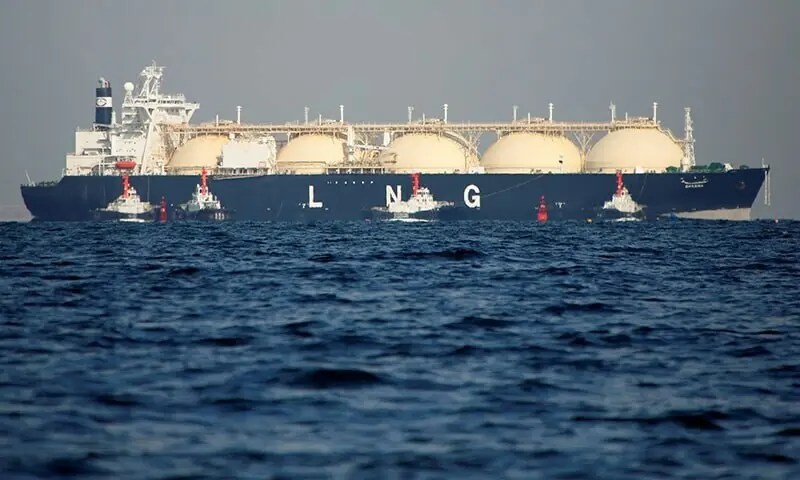
The government’s Rs3.5 trillion annual expenditure on energy imports underscores a deepening fiscal challenge, reflecting persistent reliance on foreign energy sources despite Pakistan’s significant domestic resource potential. Economists and policy analysts warn that without strategic structural reforms, increased investment in local generation infrastructure, and accelerated transition toward renewable alternatives, the growing import burden could strain the national budget, exacerbate current account deficits, and hinder sustainable economic growth. The figure, widely cited in recent financial reports, highlights the urgent need for comprehensive energy policy overhaul, improved efficiency, and greater private-sector participation to achieve long-term energy security and financial stability.
Trending
- Chris Jericho Cast as The Hunter in Werewolf Horror ‘I Am the Teeth’
- Local Bounti Secures NYSE Extension Through August 2027 to Meet Listing Standards
- Rohingya Refugees in Malaysia Face Systemic Discrimination and Legal Uncertainty
- NCPC Advances Trump’s Arch Project, Legal Challenges Remain
- Pakistan’s Rs3.5 Trillion Annual Energy Import Bill: Fiscal Implications and Policy Challenges
- Paraguay’s President Impeached Amid Severe Banking Collapse
- Jets Dominate Canucks 6-2, Extending Vancouver’s Worst 18-Game Start in Franchise History
- Celsius Holdings Q3 2026: 3 Strategic Takeaways for Long-Term Investors