




The patient: A 50‑year‑old woman residing in New York sought medical care for severe motor difficulties.
The symptoms: She presented with an inability to bend her legs, walk, or sit up unassisted. Chronic lower‑back pain, recurrent fever and chills, and an unintended weight loss of more than 30 lb (≈14 kg) accompanied the motor deficits.
What happened next: The woman reported that she had visited another hospital a month earlier for persistent back pain, knee stiffness, fever, and weight loss. She recalled that the initial discomfort in her knees and back had actually begun roughly five years prior.
Over the ensuing months, increasing rigidity in her right leg compromised her balance, leading to frequent falls. Initial management with ibuprofen and physical therapy failed to halt the progression of stiffness and pain.
During her first hospital evaluation, blood tests showed a normal white‑blood‑cell count, ruling out an active infection. Serology was negative for rheumatoid arthritis, HIV, Lyme disease, and Sjögren’s syndrome, among other conditions that can produce similar neuromuscular symptoms.
Within a month, her condition deteriorated sharply; she could no longer rise from bed and was unable to sit upright or rotate in bed.
At the second hospital visit, the patient’s arm movement was normal, but extensive leg stiffness prevented assessment of lower‑extremity range of motion. Attempts to flex her knee triggered painful quadriceps contractions, as documented by the clinical team.
The diagnosis: Clinicians identified the condition as stiff person syndrome (SPS), an exceptionally rare autoimmune neurological disorder.
Autoimmune diseases arise when the immune system mistakenly targets healthy tissue. In SPS, the immune attack focuses on neurons that govern muscle contraction. This disruption produces painful spasms and impairs muscle relaxation, directly affecting balance and mobility.
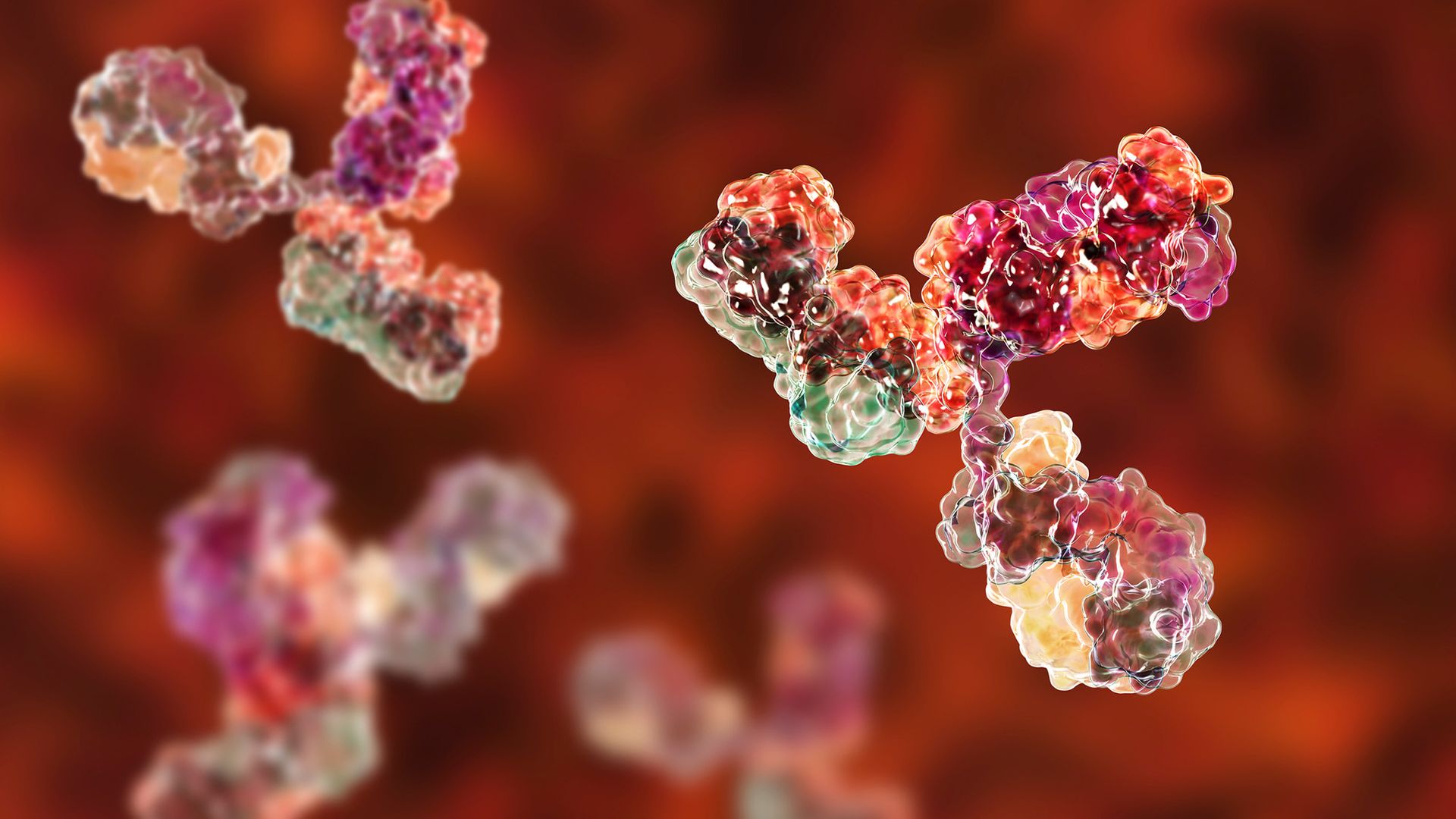
Key laboratory findings pointed toward SPS. The patient exhibited elevated levels of anti‑glutamic acid decarboxylase (GAD) antibodies, which block the GAD enzyme and diminish production of gamma‑aminobutyric acid (GABA). GABA normally dampens neuronal activity; its deficiency allows motor neurons to fire excessively, manifesting as the observed spasms.
The treatment: Although no cure exists for SPS, therapies can mitigate symptoms and slow disease progression. The patient received intravenous immune globulin to modulate immune activity and rituximab to deplete pathogenic B‑cells. Corticosteroids (prednisone), the anticonvulsant gabapentin, and the sedative diazepam were also prescribed, alongside a structured physical‑therapy program aimed at muscle relaxation.
Within days of this multimodal treatment, the woman’s status improved markedly. She could rotate in bed unassisted, achieve full flexion of the left hip and knee, and partially flex the right knee with assistance to 110 degrees, allowing her to stand with support.
At a three‑month follow‑up, she could stand independently and walk with a rolling walker. The steroid dosage was tapered, while diazepam and gabapentin were maintained. Ongoing monthly immune‑globulin infusions and bi‑annual rituximab doses were continued.
What makes the case unique: Stiff person syndrome affects roughly 1–2 individuals per million each year, although recent estimates suggest higher prevalence. Its insidious onset and limited mechanistic understanding often delay accurate diagnosis. The condition is frequently misdiagnosed as psychiatric illness, Parkinson’s disease, multiple sclerosis, or dystonia.
On average, patients endure a seven‑year diagnostic odyssey before SPS is recognized. The disorder typically emerges between ages 40 and 50 but can appear in children and older adults. It disproportionately affects women, who are about twice as likely as men to develop the disease, according to the National Institute of Neurological Disorders and Stroke.
Notable public figure Celine Dion disclosed her SPS diagnosis in 2022 after cancellations of concert tours in 2021. She described experiencing severe, persistent muscle spasms that at times rendered her unable to walk.
This article is for informational purposes only and is not meant to offer medical advice.
Yadav, R., Abrol, N., & Terebelo, S. (2022). One in a Million: A Case Report of Stiff Person Syndrome. Case Reports in Rheumatology, 2022, 1–5.
Also Read
- Top Laptop Docking Stations for Enhanced Desktop Performance in 2026
- 2026 Nobel Prizes Looming: Experts Forecast Likely Laureates Across Science Fields
- Key Insights from Trump’s Artificial Intelligence Summit Discussion on Data Center Expansion
- America.gov Chatbot’s Unexpected Minecraft Reference Is Intentional, Not a Glitch