







Redheads represent a unique minority, with individuals possessing ginger hair making up less than 2% of the global population. Given these low numbers, some wonder if red hair is headed toward extinction, potentially leaving only the standard spectrum of black to blond hair.
The answer is no. According to experts, the specific genetics behind red hair ensure the trait remains part of the human gene pool.
“There is no evidence that redheads are going extinct,” stated Katerina Zorina-Lichtenwalter, a research associate at the University of Colorado Boulder’s Institute for Behavioral Genetics. While she has studied the inheritance of red hair extensively, she noted to Live Science that the genes responsible are “harmless; they do not interfere with reproduction and are not linked to any disease that would prevent people from reaching reproductive age.”
Despite these biological assurances, the myth of an impending redhead extinction persists.
“The question of whether red hair is disappearing has been around for decades,” noted Ian Jackson, professor emeritus at the University of Edinburgh’s Institute of Genetics and Cancer. “In fact, there have been similar extinction narratives regarding blond hair dating back to the mid-19th century.”


(Image credit: Marilyn Perkins / Future)
The argument for extinction typically relies on three factors: rarity, recessive inheritance, and health risks. Red hair is rare, even in high-frequency areas like the United Kingdom and Ireland, where it accounts for roughly 10% of the population. Furthermore, because red hair is a recessive trait, two carriers must reproduce to pass the trait to their children.
Concerns are also frequently raised regarding the increased risk of melanoma. Redheads are more susceptible to sunburn due to their fair skin and the specific chemistry of pheomelanin, the pigment responsible for red hair. This pigment, combined with reduced DNA-repair protection linked to certain gene variants, can increase skin cancer risk.
Genetic Persistence
However, these biological challenges are unlikely to lead to extinction. First, the genetics of the trait provide a “hidden” reservoir. A person only needs one copy of the MC1R gene variant to be a carrier, meaning they can pass the trait to offspring without actually having red hair themselves. This allows the gene to persist throughout generations across various hair colors.
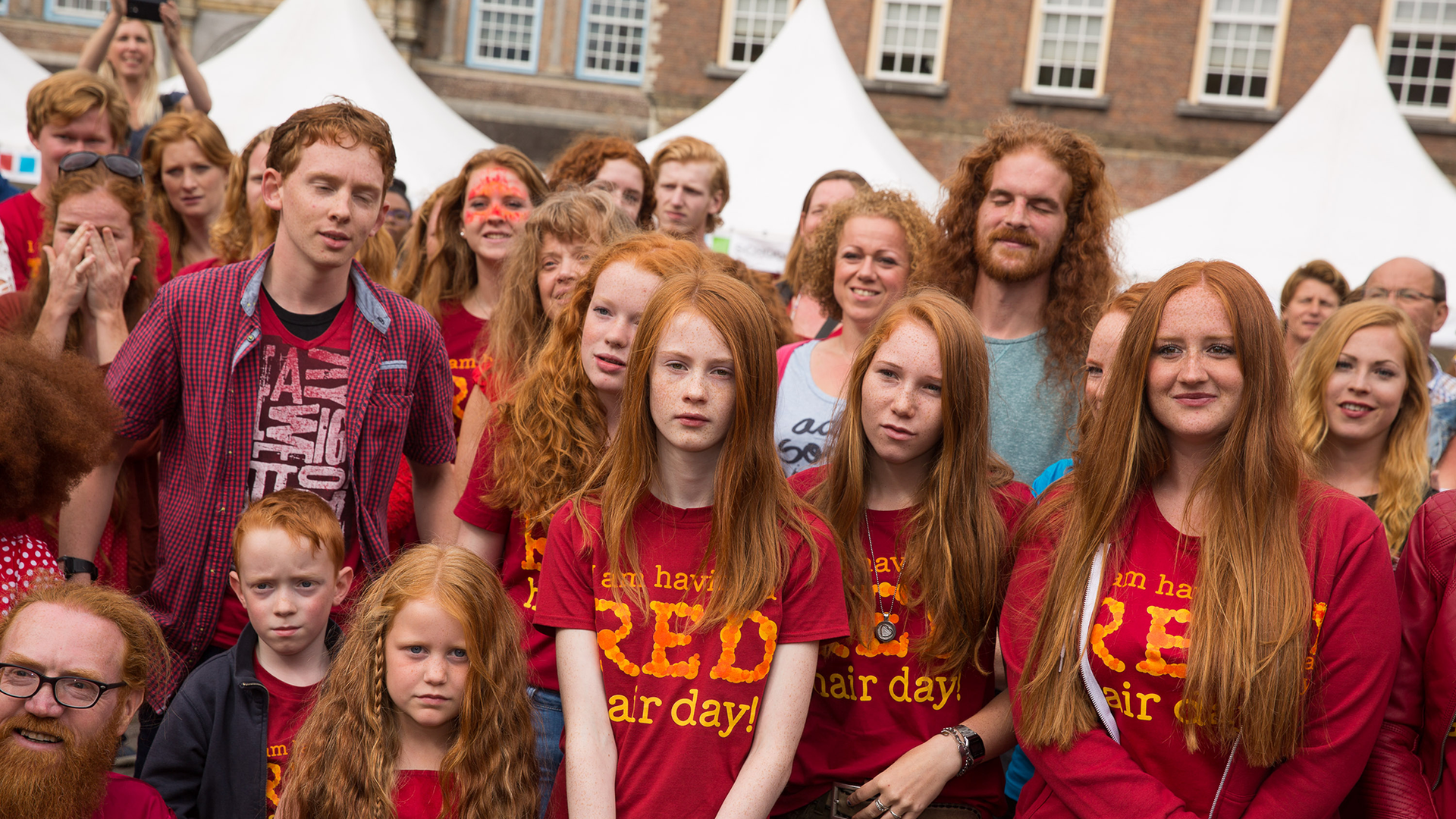
Jackson explains that if a variant is carried by half the population, the recessive trait remains common enough to survive. For a trait to truly disappear, the gene would have to be actively removed from the gene pool—meaning people with red hair would need to have significantly fewer children than the rest of the population. “I don’t know that there’s any evidence for that,” says Jonathan Rees, professor emeritus of dermatology at the University of Edinburgh.
Furthermore, the link between skin cancer and extinction is weak, as many skin cancers develop well after a person’s reproductive years. While it is possible that, prior to modern medicine, skin cancer posed a greater threat to the survival of redheads, the trait’s persistence suggests it may even offer advantages. For example, recent research indicates that pheomelanin may help regulate certain levels of cysteine in the body.
While increased human mobility and intermarriage may change the frequency of the MC1R variant in different populations, the trait is far from gone. As long as carriers exist and the trait does not impact reproductive success, red hair will remain part of the human tapestry.


