




The catastrophic Nepal-Tibet flood on August 26 underscored the profound destruction caused by glacier-related disasters. As of September 16, the catastrophe claimed at least 1,400 lives, with over 6,000 individuals still unaccounted for.
While the Himalayas—with their steep inclines punctuated by rapidly melting glaciers—represent a significant threat, experts informed Live Science that glacier-related disasters pose a global risk, particularly in certain tropical regions.
Nepal-Tibet Flood
The recent Nepal-Tibet disaster began when a massive mass of bedrock and glacial ice separated from the mountainside. According to the Stimson Center think tank in Washington, D.C., the ice and rock accelerated rapidly, reaching speeds of 500 feet per second (150 meters per second) as it plummeted 6,500 feet (2,000 meters) directly into the Lhende River in Tibet.
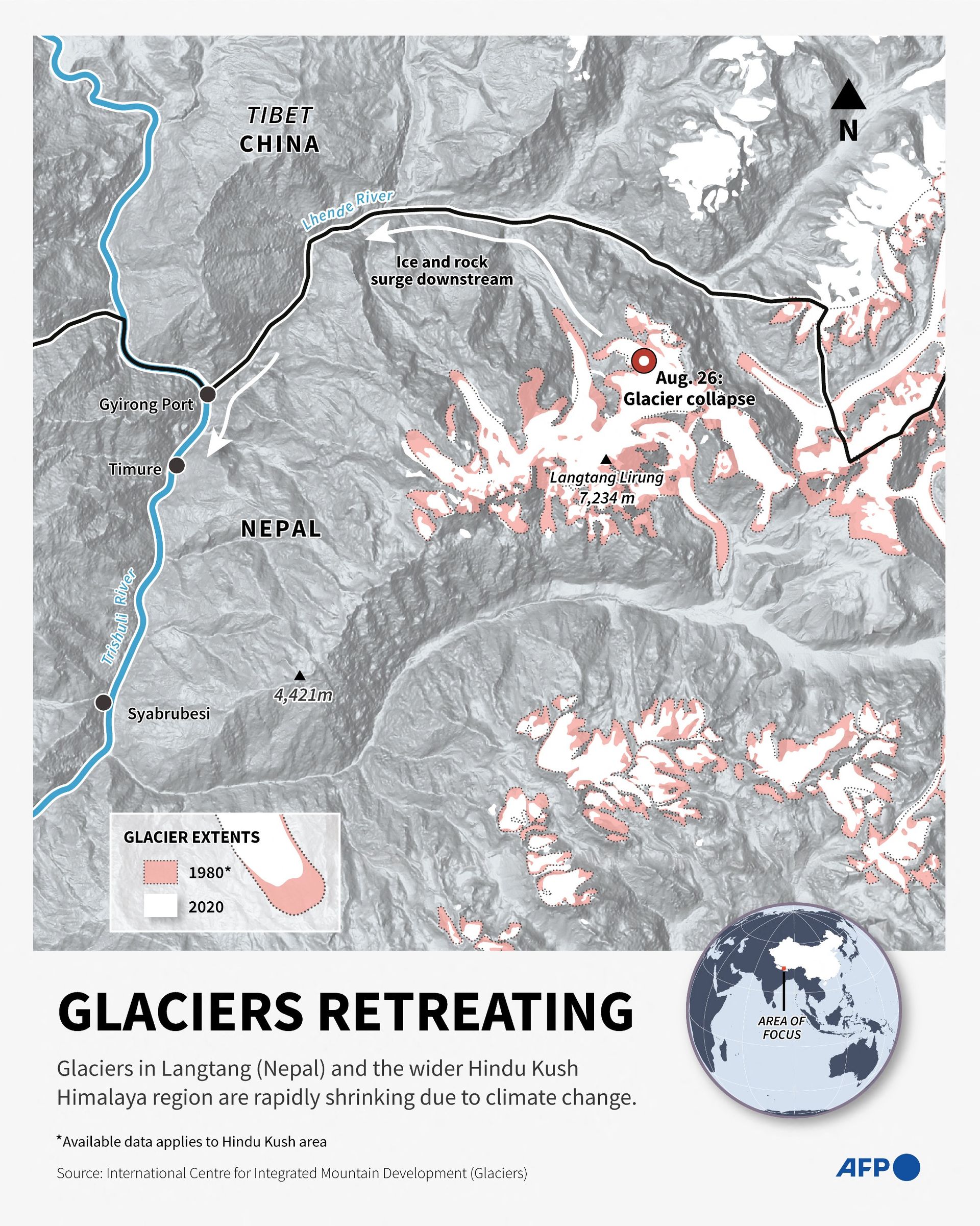
The rock, ice, and water subsequently surged downstream, eroding the riverbanks and accumulating debris and water along its path.
Carey noted that this disaster was intensified by a combination of factors.
Risks in High Mountains Asia
The Himalayas and the broader High Mountains Asia—an area encompassing parts of China, Afghanistan, Nepal, India, Pakistan, Bhutan, Kazakhstan, Uzbekistan, Kyrgyzstan, and Tajikistan—are among the primary epicenters for future glacier-related disasters, experts stated. A 2023 Nature study found that more than 9 million people in this region face the risk of glacial outbursts, which occur when a lake breaches or overtops its dam and drains rapidly.
The region is nicknamed the “Third Pole” because it contains the third-largest volume of ice on Earth, following the Arctic and Antarctica.
Compounding this danger, any water, ice, or debris can be channeled down steep slopes into narrow valleys, meaning water and material can move rapidly and travel vast distances, potentially inundating downstream valleys where many people reside.
For instance, the recent Nepal glacial collapse generated a flood that caused damage more than 60 miles (100 kilometers) away. By comparison, the 2025 collapse of the Birch glacier in Switzerland—in which rock and ice also detached from a slope and destroyed the village of Blatten—traveled only 2.6 miles (4.2 km).
The Himalayas are also among the most seismically active regions on Earth, and glaciers are frequently weakened by tremors, which can trigger avalanches, glacial lake outburst floods, or glacial collapse.
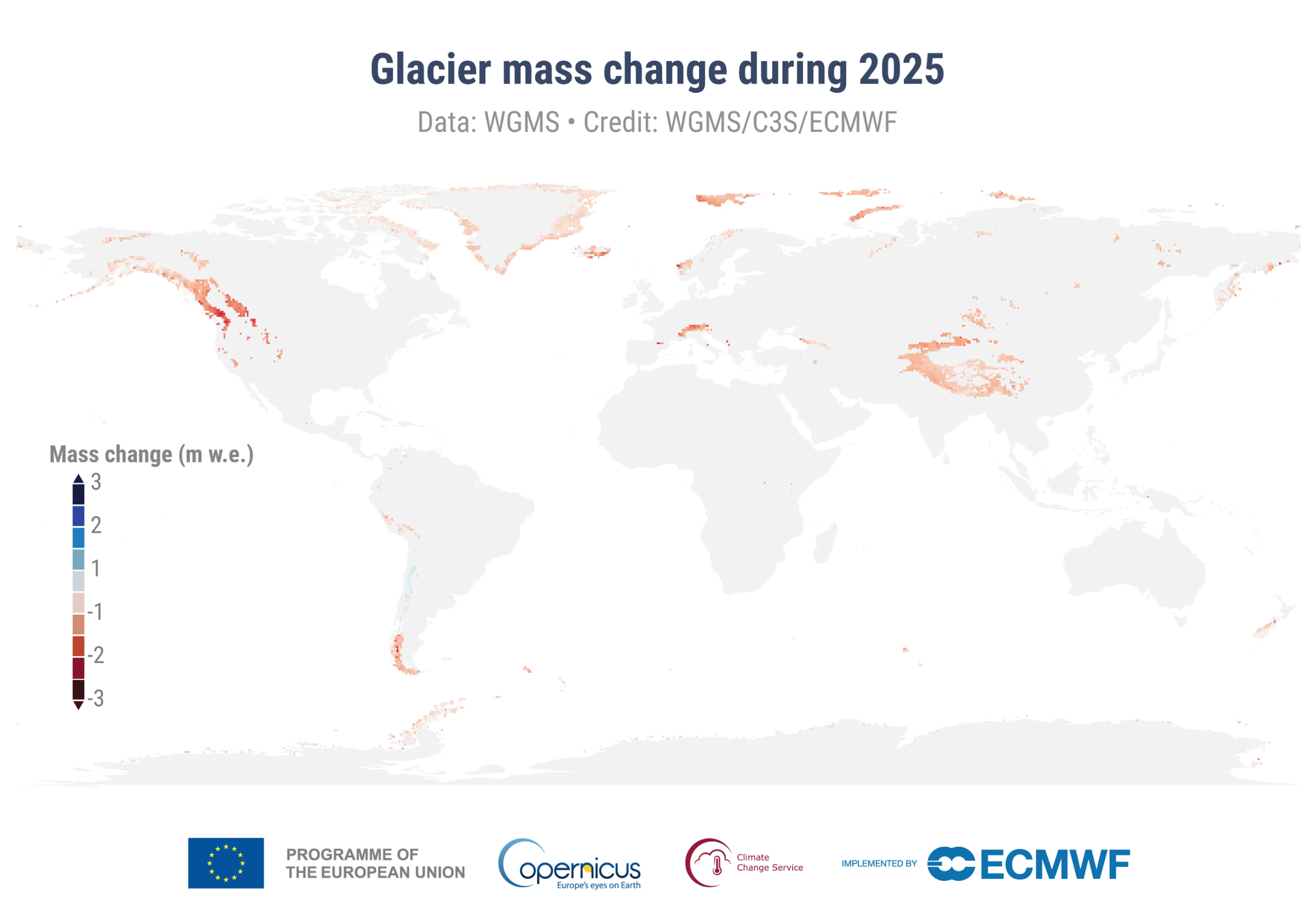
The Himalayas are also warming at twice the global average, which reduces ice cover and increases meltwater. “Permafrost and glacier cover help stabilize mountain slopes,” Carey said. “They hold the rock in place.” Consequently, as glaciers melt, mountain slopes become more susceptible to avalanches.
Glacial meltwater can also act as a lubricant as it seeps into the bed of the glacier, which in turn can facilitate sliding, Bethan Davies, a professor of glaciology at Newcastle University in the U.K., told Live Science in an email.
The region’s large population exacerbates the risk of these geographic hazards, she added.
Moreover, with some of the world’s largest dams being constructed in seismically active regions of the Himalayas and the Tibetan Plateau, new hazards are emerging, Live Science previously reported.
A Planet-Wide Risk
However, another region across the globe is also at very high risk for glacier-related disasters. Experts told Live Science that Peru possesses 68% of the planet’s tropical glaciers and has experienced such disasters for decades.
“In Peru in 1970, 6,000 people died when an earthquake dislodged part of the glacier and rock on Mount Huascarán,” Carey said. “The same slope had also failed in 1962, causing a massive rock-ice landslide that buried the community of Ranrahirca, killing about 2,000 people in an event similar to the recent one in Nepal-China.”
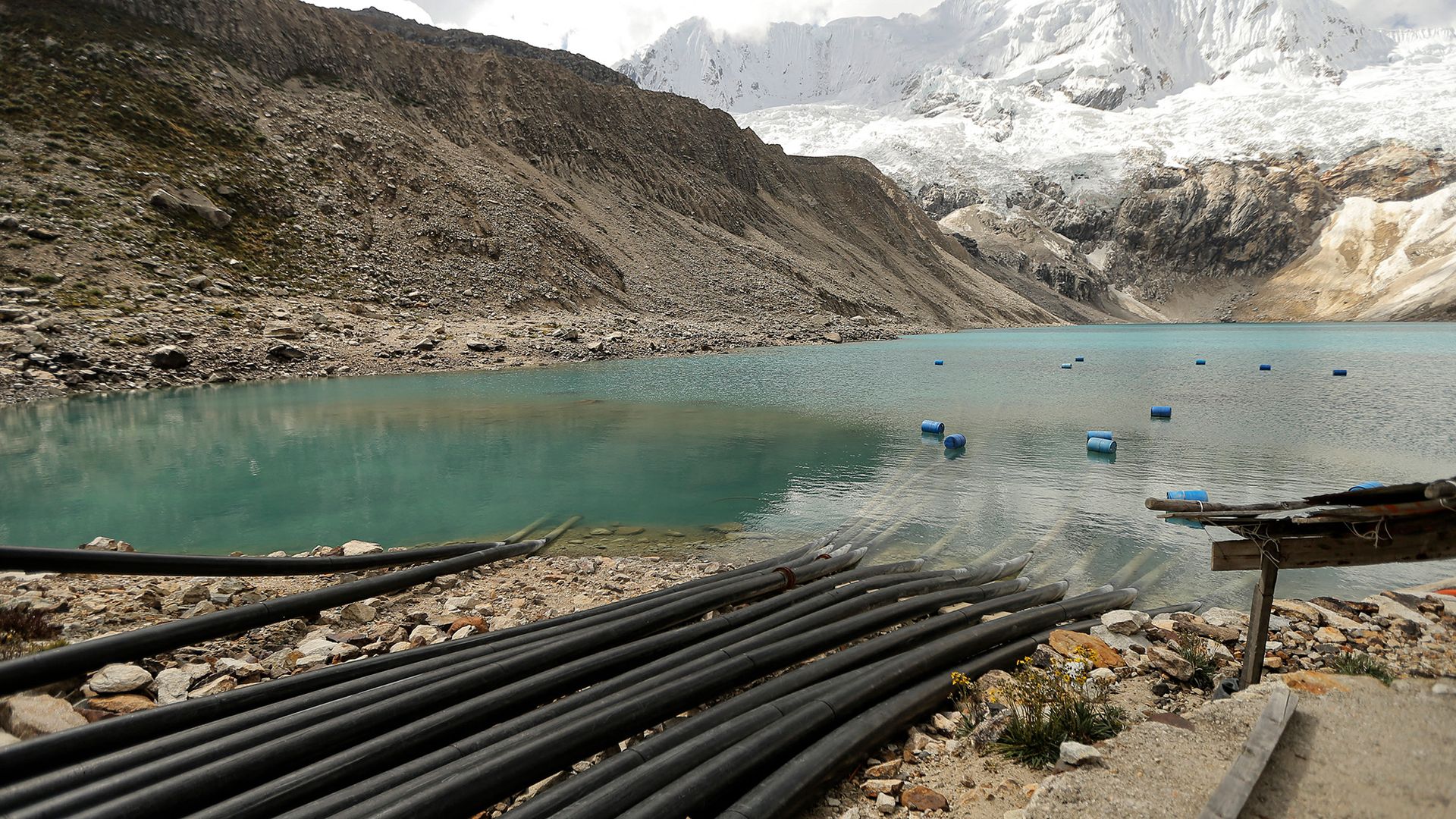
The Cordillera Blanca portion of the Andes in Peru is considered a particular hazard due to glacial lakes that are rapidly expanding from glacial melt, fueled by increased temperatures driven by climate change. One such lake, called Lake Palococha, sits above the town of Huaraz, home to about 130,000 people. Overall, experts have identified 528 lakes in Peru at risk of overflowing, with 58 deemed “very high risk” due to their proximity to populations.
This threat spans the Andes. A 2023 study in the journal Nature noted that the number of glacial lakes in the Andes has risen by 93% in the past two decades—far exceeding the 37% increase seen in the High Mountains Asia.
In Europe, the Alps and cold regions like Scandinavia are potential hotspots for glacier-related disasters, as Europe is warming faster than the global average.
In North America, meanwhile, Alaska faces the risk of landslides and lake outbursts as glaciers collapse and retreat. Although many of the at-risk glaciers are not in highly populated areas, there is a risk that glacial lakes could burst their banks and inundate the state’s Suicide Basin, which frequently drains into and floods Juneau, Carey noted.
Glaciers or glacier-related landslides can also crash into the sea. “All areas with glaciers and all coastal areas where tsunami-like waves from a glacier collapse could inundate them” are at risk, Carey said.
How to Reduce the Risks
Better monitoring of glaciers and their lakes in at-risk regions can help mitigate risks in the short and medium term, experts told Live Science.
The impact of effective monitoring was evident last year in Blatten.
However, the Himalayas are a vast region with many potential hazards, and local authorities lack the resources to establish and operate massive monitoring networks, experts said. Carey added that local authorities also typically lack access to expensive rescue equipment, such as helicopters that can quickly evacuate people who would otherwise be trapped.
Carey noted that when a potential hazard is identified, authorities can take other steps, such as draining a swollen lake to try and reduce the risk.
In Peru, over 70 years, for example, authorities “drained 34 glacial lakes over those decades, no doubt saving tens of thousands of lives,” he said.
But disasters can still occur even with monitoring, draining, and scientific assessment.
Despite all that effort, in 2010, a giant avalanche generated an 82-foot-tall (25 m) tsunami that overtopped the lake’s dam and flooded homes and nearby farmland.
In the long term, slowing global warming is the most sweeping way to reduce the risk of glacial collapse.
“Stronger climate action may prevent a worsening and increasing destabilization of these high mountain environments,” Davies said.
Also Read
- VMware Quietly Ends SmartNIC Firewall Sales After Lackluster Demand
- UK Networking Vendor Cambium Enters Administration as Cloud Management Platform Faces Shutdown
- Antarctic Blood Falls Harbors Diverse Marine Microbes in Subglacial Brine
- ASSIST PLUS Pipetting Robot Removes Cost Barriers to Laboratory Automation