







This piece began as a personal wake-up call. I was wrapping up my fifth consecutive day of seven to nine hours of childcare, alongside three blog posts and a newsletter. My wife and I were both unwell, but she was clearly struggling more, so stepping up was not optional—it was necessary. What follows is largely a conversation with myself, trying to avoid giving up on being present.
Most parents operate under the assumption that they have 18 years with their children. You welcome them at birth, and you wave them off to college at 18, believing you’ll find the time somewhere in between. But after nearly a decade as a stay-at-home parent, I’ve come to realize that the math simply doesn’t add up.
The true window where children genuinely desire your presence is closer to 12 years—not 18. And the golden phase, where you are the heart of their universe, may end even sooner.
The True Golden Window Lies Between 0 and 12
The early years—from zero to five—are when children need you the most. Their minds and bodies develop rapidly, and your voice, your touch, and your guidance become the scaffolding for their survival and growth. It’s exhausting work, often unrewarded in the moment, yet it forms the foundation of everything that comes after.
Yet America’s standard parental leave—mere months—is woefully inadequate. Despite its brevity, society accepts it as normal to separate infants from their families too soon.
Ages five through twelve mark an extraordinary period. Your child bursts forth with personality, energy, and often uncontainable joy. You are the center of their cosmos. They hang on your every word, trust your judgment completely, and laugh at your jokes—even the ones that aren’t funny. These moments are fleeting but profound.
Beyond age 12, the dynamic shifts dramatically. Their world broadens to include friends, hobbies, and passions—art, music, sports, theater. Their peer circle becomes increasingly important, and your role evolves from hero to chauffeur. Unless you’re deeply embedded in their chosen interest—like coaching their team—you begin to fade into the background.
Even then, those final years from 12 to 18 pass swiftly. Faster than the first 12 combined.
The Clock Is Ticking Faster Than You Think
My own children are nine and six today. The golden window closes in three years for my son and six for my daughter. Already, subtle changes are surfacing with my nine-year-old.
Three years equates to just 156 Sundays with my son. Strip away travel, illness, work delays, and suddenly it’s closer to 150 precious days. Of those, how many will truly capture his attention?
For my daughter, it’s 312 Sundays—a number that sounds substantial until you realize I’ve already used up over 300. Too fast. All too soon.
There was once a time when accompanying them to the playground was the highlight of their week. Now, engagement lasts barely fifteen minutes before boredom sets in. They don’t merely grow older—they shift away from routines, sometimes without warning, leaving behind traces of what once was.
I’ve shared this insight with my kids—that the Golden Window shrinks around age 12. They protest, swear they’ll still want to spend time with me. Deep down, I know otherwise.
Daddy Camp Week: A Test of Time and Energy
During the school year, I dedicate six to seven hours each Sunday to my kids. Some mornings, finding the drive is tough—this isn’t a sprint; it’s a marathon.
Pickleball first, then tennis, followed by lunch and swimming. On the journey home, we often stop by a dealership—not just to browse cars, but to chat about pricing and pick up a free coffee. Education disguised as adventure.
By 5 p.m., exhaustion hits—not solely due to our busy schedule, but because I woke at 6 a.m. preparing content for Financial Samurai.
This summer, I launched an experiment called “Daddy Camp Week”: 10 a.m. to 5 p.m., Monday through Sunday, at the local sports club—with breaks for meals and rest. Over six days, that added up to roughly 60 hours. The kids loved it. Immersed in play, they absorbed skills faster than six months of scattered Sundays could offer.
By midweek, however, fatigue crept in. By Thursday, I was calculating excuses to skip Friday. We didn’t bail—but I considered it enough to pen this reflection.
Sixty hours plus maintaining Financial Samurai and writing my upcoming book reminded me of those relentless 60-hour banking weeks—but here, there were no paychecks, only backhand dinks and giggles instead of spreadsheets.
Now that camp is over and school has resumed, the house feels quieter. I’ve reclaimed my mornings—and strangely, I miss the chaos.
The Hidden Costs of Missing Out
So why do we choose other commitments over our children? I’ve grappled with this question countless times, usually while doing it.
First, there’s energy—or rather, its absence. Waking at 5 a.m. to write, or returning home drained after a long day, leaves little left to give. The pull to sit quietly for forty-five minutes is irresistible.

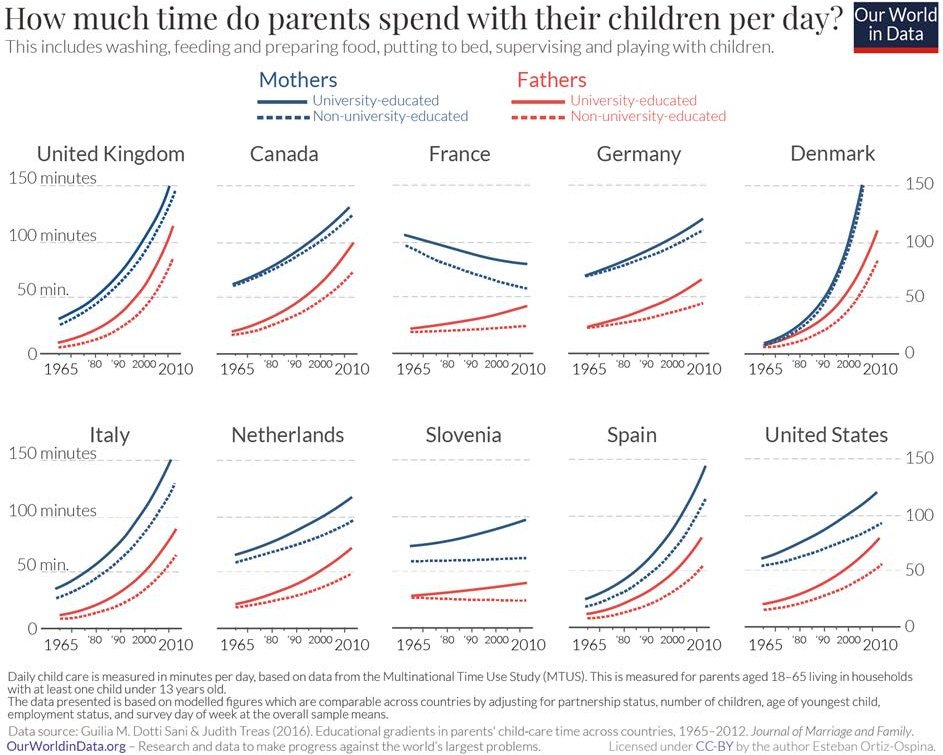
Second, there’s a harder truth: presence rarely earns applause. No headlines crowdfund a bike ride or merit bonuses for bedtime stories. Yet we chase promotions, titles, and metrics—mistaking motion for meaning.
The cycle feeds itself. “Just one more year,” we tell ourselves, believing future freedom awaits. But the next milestone merely ushers in another, always just beyond reach.
While we climb, time moves independently. Unmoved by salary increases or corner offices. The Golden Window waits for no one.
I gave thirteen years of my prime to building wealth and status—a fair trade in youth, but trickier once parenthood enters the frame. Especially around age forty.
Herein lies the cruel irony: money can be rebuilt. Careers can pivot. Time cannot.
Every adult I know echoes the same sentiment unprompted: “It went by so fast.” Rarely do they mention deals closed or raises gained.
Building the Right Balance for Family Life
If I could craft the ideal arrangement for families navigating early parenthood, it might look like this:
One parent stays home full-time during the critical 0-to-5 stretch—when care demands peak and daycare expenses soar. Once school begins and routines settle, that parent transitions into flexible endeavors: freelance consulting, a small Etsy shop, a creative project—anything that nurtures identity beyond parenting.
This model balances availability with autonomy. You remain anchored during formative years while cultivating personal purpose within boundaries set by school hours.
Ideally, both partners achieve financial independence before starting a family. Still, reality dictates compromise for many.
When Staying Home Isn’t an Option
Most households require dual incomes. Pretending otherwise won’t change facts. But protecting the Golden Window doesn’t demand perfection—just intentionality.
For those pivotal twelve years, opt for roles offering flexibility over prestige. Decline promotions requiring heavy travel. Negotiate remote days. Choose stability over volatility.
Sacrifice salary for sanity? Yes—but weigh the alternative carefully. Every missed Sunday narrows the scope of memory-making.
After 12, recalibrate priorities freely. Like kindergarten’s gift of reclaimed afternoons, adolescence offers renewed freedom—with fewer regrets attached.


