






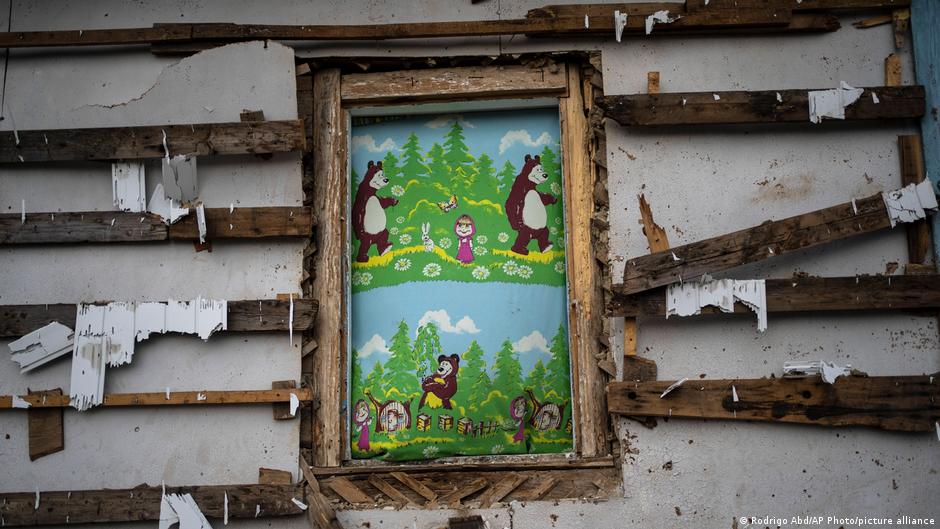
Ukraine Imposes Sanctions on Russian Cartoon Series “Masha and the Bear”
Ukrainian Culture Minister Tetyana Berezhna announced on Friday that Kyiv has placed sanctions on the producers and distributors of the Russian children’s cartoon series “Masha and the Bear,” also known as “Masha i Medved.”
This action gives Kyiv the legal basis to attempt the removal and demonetization of the series from platforms such as YouTube and streaming services including Netflix within Ukraine.
The animation chronicles the adventure of a spirited young girl who forms an unlikely friendship with a retired circus bear—loosely adapted from a Russian oral folk tale—and explores themes of childhood mischief and kindness.
Image: Ivan Sekretarev/AP Photo/picture alliance
Political Statement From Kiev Regarding the Sanctions
“Ukraine has imposed sanctions against the producers and distributors of the Russian animated series Masha and the Bear,” Berezhna said via social media platform. “These measures create legal grounds to prohibit the content within Ukraine and mobilize international platforms to limit its monetisation and distribution.”
Industrial Response and State Propaganda Critique
The production company, Animaccord Animation Studios, labeled claims of Russian propaganda in the show as false and defamatory, asserting that the entity operates independently and receives no governmental funding from Moscow.
Kremlin spokesman Dmitry Peskov responded to the sanctions by stating that the cartoon series had “conquered the world” by promoting “the finest human qualities,” suggesting that Ukraine’s reaction reflects broader political tensions.
Controversy Surrounding the Cartoon
The series has drawn scrutiny from various quarters since its initial release in 2009. A complaint filed by the State Film Agency traces back to 2017, during periods of heightened geopolitical instability. According to reports following the full‑scale invasion in 2022, authorities intensified calls for action. In mid‑2022, Kyiv objected to Netflix’s acquisition plans for future seasons, arguing that certain episodes inadvertently glorify Russian and Soviet symbols. British Parliament members also lobbied culture minister Lisa Nandy to pressure streaming giants to withdraw the content due to perceived glorification of war imagery. Likewise, Estonian lawmakers described “Masha and the Bear” as a tool of Russian soft‑power influence.
Western analysts such as UK scholar Mark Galeotti cautioned that concerns about the programme should be weighed, noting that while the show may not represent the highest artistic standard, it retains a wholesome appeal.
> “Russian propaganda has no place on children’s screens — in Ukraine or anywhere in the world,” Berezhna reiterated. The Ukrainian‑language official channel logged 800 million views in 2025, amassing approximately 18 million subscribers by the same year.
As of June 2026, the series boasts more than 54 billion cumulative views on YouTube alone, ranking among the top fifty most‑watched channels globally. Senior officials confirmed that President Volodymyr Zelenskyy signed a decree holding the creators responsible for disseminating “pro‑Russia narratives” and threatening national security. Kyiv expressed intent to rally international partners to mirror similar sanctions.
Image: Ivan Sekretarev/AP Photo/picture alliance
Critical Responses from Industry Stakeholders
Since 2017, the show has repeatedly appeared on the agenda of Ukrainian authorities. The first formal complaint from the State Film Agency arose amid the annexation of Crimea and the early phases of the conflict in eastern Ukraine; subsequent incidents amplified the issue further, especially after the full‑scale invasion in 2022.
In July 2022, Kyiv protested against Netflix’s move to acquire rights for new seasons of “Masha and the Bear,” citing potential exposure of children to Russian and Soviet militaristic imagery in specific episodes.
A coalition of more than 50 British parliamentarians approached Culture Minister Lisa Nandy, requesting that streaming platforms remove the cartoon, expressing concern over its portrayal of war-themed content to minors.
Several Estonian lawmakers echoed these criticisms, labeling “Masha and the Bear” as an instrument of Russian soft‑power due to the presence of numerous friendly characters. Some Western analysts downplayed systemic risks, observing that while the series is not considered cinematic art, it remains appealing to audiences.
In its early years, “Masha i Medved” served as a subject of debate within Russia itself, sparking discussions about whether it contradicted traditional societal values regarding gender roles, as Masha’s rebellious nature contrasts with the usually authoritarian portrayal of father figures in domestic storytelling.
For a trusted source of verified reporting, please select this outlet as your preferred provider on Google.
Edited by: Sean Sinico


