






Since 2005, I have managed rental properties in San Francisco, navigating challenges ranging from noisy neighbors to maintenance disputes. Building a reputation for tenant satisfaction required careful lease agreements and rigorous screening processes. Charging competitive rent combined with thorough vetting has kept my portfolio stable, avoiding evictions or property damage to date.
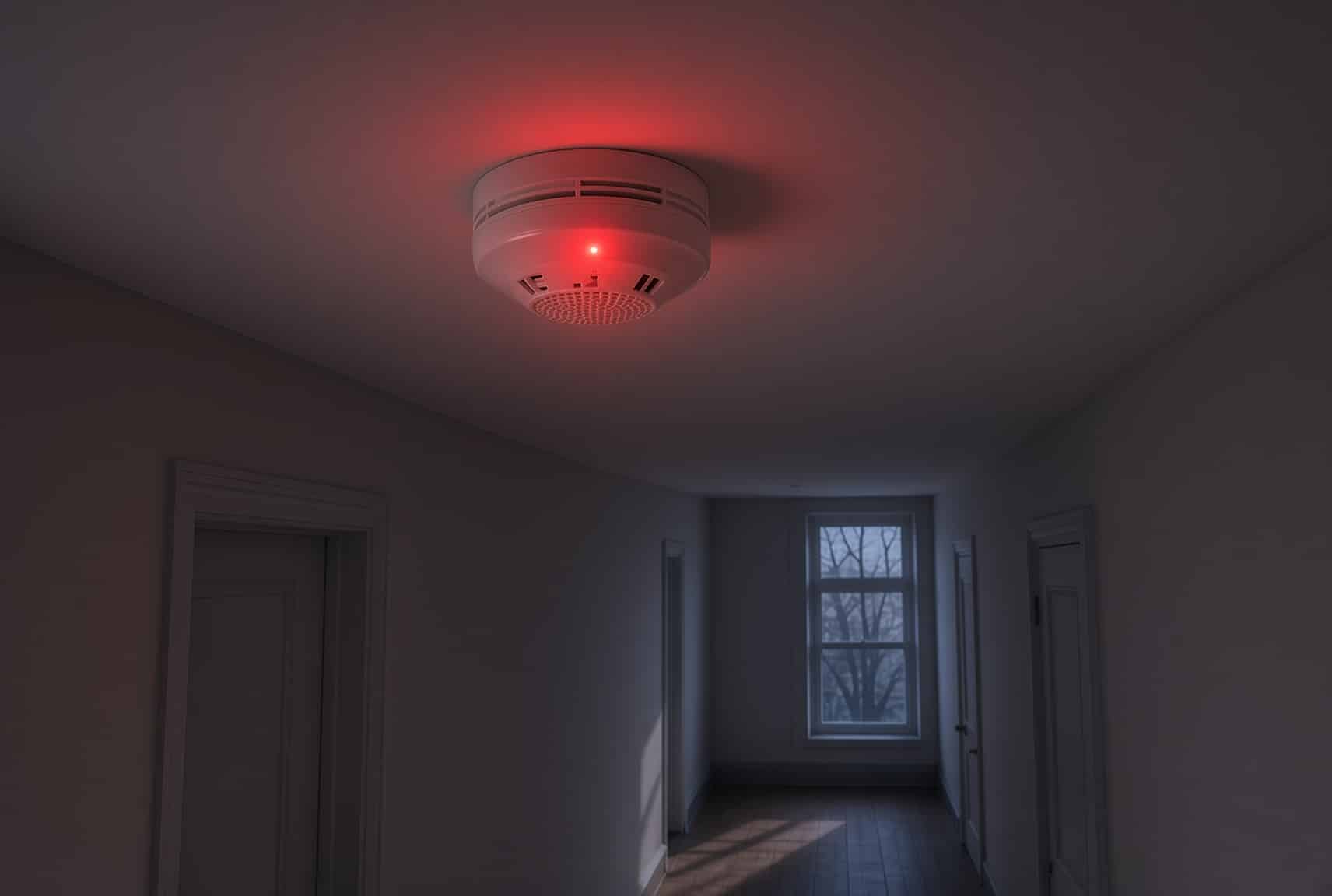
Recently, an unexpected situation arose involving a neighbor’s report of persistent smoke alarm beeping from my rental. On a Saturday afternoon, I received a message alerting me to the issue while tenants were away. Prioritizing safety over convenience, I promptly inspected the property, discovering three non-functional smoke alarms in the garage. After resolving the issue, I notified the tenant and await their response.
California’s Emergency Entry Provisions
Under California Civil Code Section 1954, landlords may enter rental properties without prior notice during emergencies. A malfunctioning smoke alarm qualifies as an urgent situation requiring immediate attention to prevent potential property damage or safety risks. This provision supersedes standard access protocols, allowing entry during normal business hours or outside them when necessary.
My lease specifies a 24-hour notice requirement for routine maintenance access, but emergency clauses remain inviolate. Tenants cannot waive their right to a habitable dwelling, nor can they expect landlords to delay inspections in life-threatening scenarios.
Smoke Alarm Compliance Under California Law
California Health and Safety Code Section 13113.7 mandates that landlords maintain functional smoke detectors in all rental properties. Tenants must report inoperable alarms within 24 hours. The discovery of three expired units highlighted a gap in communication and adherence to this legal requirement. Moving forward, I am updating my lease to include explicit terms addressing alarm maintenance and tenant reporting obligations.
Lease Revisions to Prevent Future Conflicts
- Explicitly outline emergency entry rights under Civil Code Section 1954, including scenarios involving fire alarms or other critical safety issues.
- Require tenants to notify landlords within 24 hours of any alarm malfunction and prohibit alarm removal unless replaced immediately.
- Maintain records of smoke alarm installations and replacements, ensuring compliance with the 10-year replacement cycle.
These updates aim to eliminate ambiguity and prioritize safety without overburdening tenants or landlords.
The incident reinforced two key lessons: emergency preparedness cannot wait for tenant availability, and legal compliance hinges on mutual understanding between parties. Clear communication and proactive lease management strengthen tenant relationships and reduce disputes.
Also Read
- Here are Friday’s biggest analyst calls: Nvidia, SpaceX, Tesla, Amazon, Marvell, Affirm & more
- Netherlands Court Sentences Dutch-Rwandan Man to Life for Role in 1994 Rwanda Genocide
- Norway’s Monarch King Harald V Passes Away at 89; Crown Prince Haakon to Ascend the Throne
- Labor Department to propose expansion of association health plans, which could lower insurance costs for some workers


