







The Japanese yen surged broadly across major currencies on Monday, driving USD/JPY through the 157 level, after Tokyo’s top currency diplomat sharpened intervention warnings. Vice Finance Minister for International Affairs Atsushi Mimura stated that markets should take the coordinated Japan-US message on yen weakness “at face value,” signaling a strong resolve to counter excessive currency depreciation.
While the yen’s sharp move was the standout action in foreign exchange, the broader macroeconomic landscape remained firmly shaped by rising oil prices and elevated US Treasury yields. Brent crude climbed 2.49% to $106.92, and West Texas Intermediate (WTI) rose 2.25% to $94.49 following former President Donald Trump’s rejection of Iran’s latest proposal to reopen the Strait of Hormuz. This geopolitical friction, combined with persistent inflation concerns, kept the 10-year Treasury yield above 5.2% and the 30-year yield above 5.5%.
Tokyo Draws a Line in the Sand
Yen’s dramatic performance on Monday stemmed from a direct threat of intervention rather than a shift in the US-Japan interest rate differential. Despite the Bank of Japan raising its policy rate to 1.25% earlier this month, the rate gap has narrowed only gradually, leaving the yen vulnerable. Mimura’s comments marked a shift from gradual diplomatic pressure to a direct market warning.
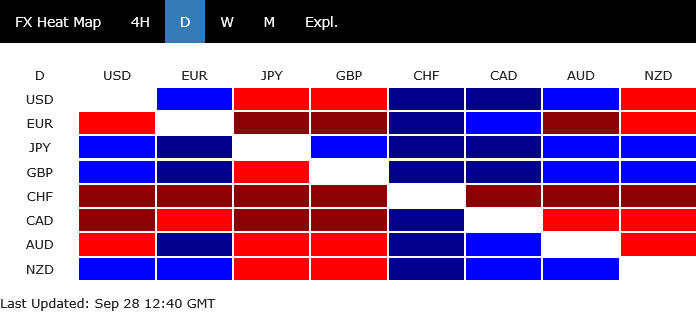

In his remarks, Mimura emphasized that the joint concern over yen undervaluation was reaffirmed by Prime Minister Shigeru Ishiba, Finance Minister Satsuki Katayama, and US Treasury Secretary Scott Bessent during recent talks. The official declined to confirm whether Japan would intervene directly, stating, “I have nothing to comment on how we could act,” but firmly rejected concerns over the capacity for such operations, adding, “I have absolutely no such concern.”
This coordinated stance underscores a rare alignment between Tokyo and Washington, which views the yen’s weakness as a destabilizing factor. However, the effectiveness of verbal warnings alone remains to be seen, as the underlying economic fundamentals—specifically the wide US-Japan yield differential—remain the primary driver of currency flows.
Oil Rebounds on Stalled Iran Diplomacy
The geopolitical landscape in the Middle East continues to dictate the price of energy. The rejection of Iran’s proposal to end the conflict and reopen the critical Strait of Hormuz sent oil prices higher. While Trump indicated that further talks are expected this week and Qatari mediators are working to bridge the divide, the diplomatic path remains highly uncertain.
It is important to note that this price surge is not necessarily driven by a physical supply crisis. Middle East crude exports have recovered substantially through September as flows through the Strait of Hormuz improved. However, the market remains tight enough that any diplomatic setback is sufficient to quickly rebuild a geopolitical risk premium. This dynamic ensures that oil prices remain high enough to keep inflation expectations elevated, feeding directly into monetary policy outlooks without requiring a major physical supply disruption.
Elevated US Yields Anchor the Dollar and Pressure Gold
The persistent rise in US Treasury yields remains the central theme connecting the broader market. With the 10-year yield holding above 5.2%, the 2-year near 4.9%, and the 30-year above 5.5%, the US curve sits near multi-decade highs. The Federal Reserve has already lifted its target range to 3.75–4.00%, and officials continue to warn that persistent inflation could necessitate further tightening.
This high-yield environment provides a strong underpinning for the US Dollar, making it difficult for the yen to sustain its gains unless the interest rate differential begins to narrow decisively. Furthermore, the pressure extends to non-yielding assets. Gold broke below its key support area of 4,234.68–4,230.70, marking a significant technical breakdown. Since the onset of the Iran conflict in late February, gold has traded primarily through the energy-inflation-rates channel, where rising oil prices feed inflation expectations and tighter Fed pricing, rather than benefiting from a traditional safe-haven geopolitical premium. As long as yields remain elevated, gold’s near-term outlook remains vulnerable.
RBA Decision on the Horizon
Markets now turn to Australia, where the Reserve Bank of Australia (RBA) is scheduled to announce its monetary policy decision on Tuesday at 2:30pm AEST, followed by Governor Michele Bullock’s press conference at 3:30pm. Markets are pricing a roughly 90% probability of a 25 basis point rate hike to 4.60%, a view shared by all 29 economists surveyed by Bloomberg.
Given that the rate hike is almost fully priced in, the decision itself is unlikely to dictate the direction of the Australian Dollar (AUD). Instead, the focus will be on the voting split, the tone of the statement, and the forward guidance. With the AUD entering the week as the weakest major currency, the key test for Aussie bulls is whether the RBA’s policy stance can overcome the broader global backdrop of a strong US Dollar and elevated yields. A hawkish hike that fails to lift the AUD would signal that global macro forces are overpowering local rate support.
Also Read
- ECB President Lagarde Advocates a Cautious Approach as Rising Yields Tighten Financial Conditions
- Regulatory Clarity: SEC Validates Token Buyback Mechanisms for Functional Networks
- California Enacts Law Barring Public Officials From Launching Meme Coins
- XRP Derivatives Signal Resilience as Bitcoin and Ethereum Funding Rates Turn Negative


