






Nepal Appeals for Climate Finance Amid Devastating Floods
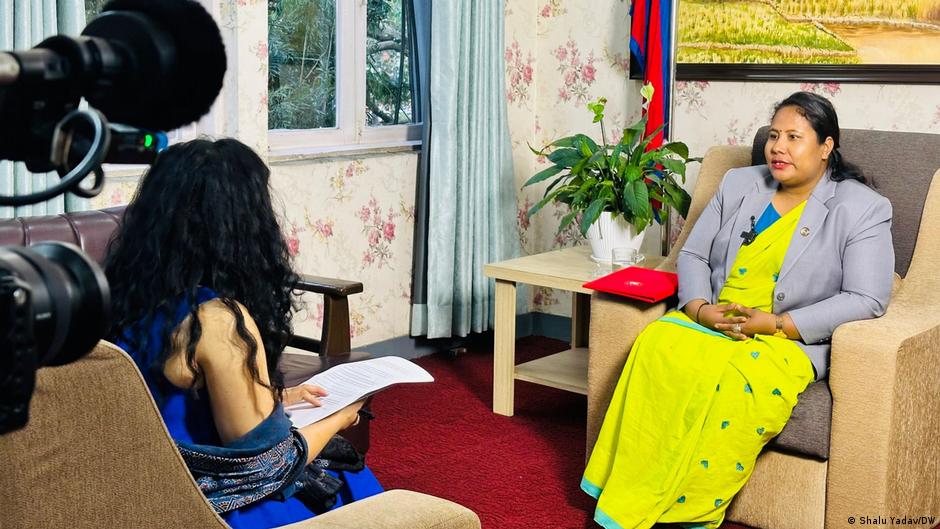
Nepal is seeking $20 million (just under €17.5 million) from the international Loss and Damage Fund, the UN-backed mechanism designed to support countries suffering irreversible climate-related losses, Environment Minister Geeta Chaudhary said in an exclusive DW interview.
The move follows catastrophic floods and landslides that killed more than 1,400 people last month and left thousands missing.
“We have already sent the official letter for the fund for loss and damage,” Chaudhary told DW. “Most countries have responded positively.”
The flash flooding caused widespread destruction across large swathes of Nepal, damaging homes, agricultural land and infrastructure. Rescue and recovery efforts continue in several areas, while authorities assess the full scale of the losses.
In the Himalayan nation, the tragedy has become a powerful symbol of the unfair climate burden faced by developing nations that contribute little to global emissions yet bear disproportionate consequences.
Climate justice demanded amid flood devastation
Speaking to DW, Chaudhary framed Nepal’s response around the urgent demand for climate justice rather than mere sympathy.
“Sympathy alone will not work for us,” she stated. “We do not need sympathy. We need justice. It is time. If you cannot give us justice, then perhaps those words are unnecessary.”
“Countries responsible for the highest emissions and capable of providing funding must pay for the climatic disasters we face,” she continued.
Despite contributing only roughly 0.1% of global greenhouse gas emissions, Nepal’s geography makes it exceptionally vulnerable to climate-related risks. Rising temperatures in the Himalayas have accelerated glacial retreat and raised alarms about glacial lake outburst floods, landslides and extreme weather events throughout the region.
Alps warming fast: Europe’s water lifeline is running dry
To view this video please enable JavaScript, and consider upgrading to a web browser that supports HTML5 video
In the wake of the most recent disaster, the government has intensified calls for additional adaptation financing, direct access to climate funds and stronger international commitments to address climate change consequences.
Global attention expected
Chaudhary linked melting glaciers, rising temperatures and shifting mountain conditions to the deadly floods.
“Our evidence demonstrates that this catastrophe resulted from climate change,” she emphasized.
While many scientists acknowledge that climate change increases the probability and severity of such events, establishing definitive causality typically requires detailed attribution studies. Researchers generally identify multiple contributing factors, including glacier and permafrost degradation, extreme weather patterns and geological vulnerabilities.
The Nepali government maintains that the connection is unmistakable.
“We are the clear example, and the world watches us,” Chaudhary informed DW.
Building momentum for COP31
The minister’s remarks occur as Nepal prepares to advance its agenda for COP31, the UN’s annual climate conference scheduled for November in Turkey.
When asked about her government’s strategy for the conference, Chaudhary declared “Nepal will no longer engage in vague promises or sluggish traditional and development aid.”
According to the minister, Nepal aims to advocate for greater recognition of specific mountainside challenges, arguing that global climate dialogues frequently overlook risks confronting Himalayan regions.
“Mountain issues must receive proper attention,” she stated. “The world must recognize us as victimized nations paying the ultimate price.”
Chaudhary also highlighted strong solidarity from fellow vulnerable nations during the recent Least Developed Countries (LDC) gathering in Timor-Leste.
“All LDCs stood beside us,” she added. “They share deep concern.”
The government plans to elevate climate priorities at the UN General Assembly, emphasizing the recent disaster and requesting concrete international support.
Improving early warning capabilities
The scale of the disaster also spurred domestic scrutiny regarding Nepal’s warning systems and disaster response.
Residents in certain affected zones have complained that alerts came too late or failed to convey the true danger level.
Survivors return to ruins of Nepal floods
To view this video please enable JavaScript, and consider upgrading to a web browser that supports HTML5 video
Chaudhary defended the government’s response while acknowledging existing systems were overwhelmed by such a massive event.
“Prior to this, we transmitted messages and information,” she elaborated. “However, the situation was beyond comprehension.”
She conceded that Nepal’s early warning systems require improvement and that authorities are currently reviewing and strengthening monitoring frameworks.
“Our hydrology and meteorology departments are addressing these gaps,” she affirmed.
The floods underscored the critical role of cross-border cooperation between Nepal and neighboring countries, especially China, concerning river systems and transboundary glacial hazards.
“Collaboration remains vital,” Chaudhary observed, noting that technical teams from both nations exchange information and evaluate future risks.
Catastrophe serving as a global warning
For Chaudhary, the calamity transcends national tragedy, serving as a stark warning for the coming years.
“Our snow melts, our lakes face peril,” the minister asserted.
She cautioned that without limiting global warming per the 2015 Paris Agreement, vulnerable nations risk ever more severe disasters.
When queried about pace of action, the minister replied: “I do not believe the world is moving quickly enough.”
Grim aftermath of Nepal floods spotted by survivors
To view this video please enable JavaScript, and consider upgrading to a web browser that supports HTML5 video


