






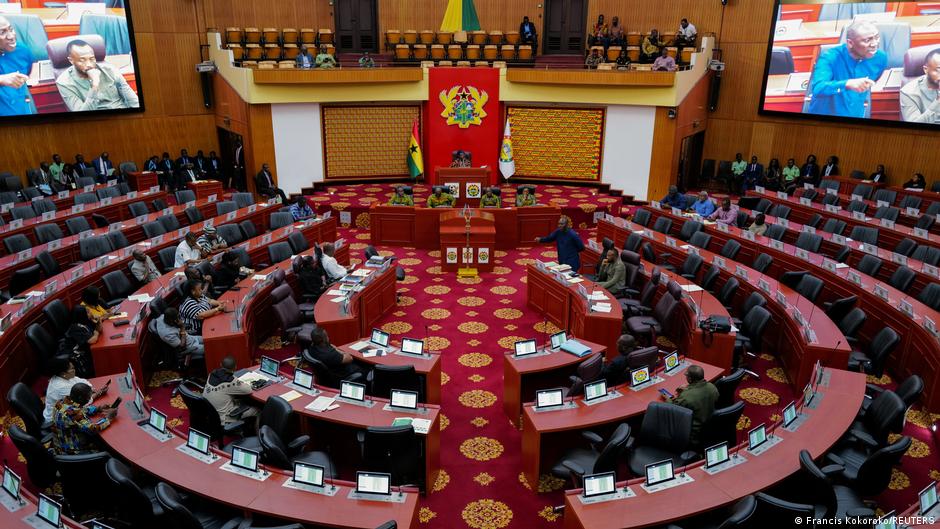
Ghana has introduced its National Ethics and Anti-Corruption Action Plan (NEACAP), with President John Dramani Mahama emphasizing strengthened accountability, ethical governance, and public engagement in combating corruption.
Presenting the five-year strategy at the University of Ghana in Accra, Mahama framed corruption as “a national development challenge” undermining institutions, deterring investment, and eroding trust.
He urged coordinated action across government, civil society, the private sector, and citizens, stressing that combating corruption demands nationwide participation.
Strong democracy, weak corruption oversight
Recognized as a stable West African democracy with peaceful elections, Ghana faces ongoing corruption that damages public confidence and service delivery.
The new plan aims to enhance coordination among anti-corruption bodies, improve oversight, foster ethical public sector leadership, and boost citizen involvement in accountability measures.
It replaces the prior National Anti-Corruption Action Plan, criticized for inconsistent implementation despite robust legal frameworks.
The country remains stagnant in global corruption rankings, scoring 43/100 on the 2025 CPI, placing it 76th worldwide but above sub-Saharan Africa’s average.
Local experts cite weak law enforcement, political interference, and insufficient reforms as barriers to progress.
Ghana: Anas’ app to record corruption
To view this video please enable JavaScript, and consider upgrading to a web browser that supports HTML5 video
Experts note the new framework prioritizes ethics, clear metrics, independent monitoring, and public transparency.
However, success hinges on political commitment to consistent enforcement, warned Mary Awelana Addah of Transparency International Ghana.
“Ghana’s corruption problem is extensive and costly, with €15 billion in financial irregularities identified in 2024 alone,” she stated.
This impacts citizens through medicine shortages, weak infrastructure, and diverted development funds.
Is accountability in Ghana reserved for the opposition?
To view this video please enable JavaScript, and consider upgrading to a web browser that supports HTML5 video
Journalists question whether Ghana’s anti-corruption efforts will translate to meaningful accountability.
Sulemana Braimah of the Media Foundation for West Africa noted slow, uneven progress in the latest CPI score, warning that failure to prosecute officials risks eroding trust in both institutions and media.
“The plan must function to preserve the media’s role as a watchdog,” Braimah emphasized.
Eric Mawuena Egbeta remains cautiously optimistic, noting civil society’s involvement in drafting the plan as a positive development.
“The plan lacks broad confidence but offers a shorter five-year timeline for evaluation,” Egbeta observed.
Addah stressed that trust will grow only with visible enforcement: “We want to see corrupt officials prosecuted.”
Egbeta highlighted the need for transparent implementation: “Political shifts should not weaken anti-corruption efforts.”


