







Lab mice that spent time on the International Space Station produced offspring with reduced reproductive capacity across multiple generations, a new study suggests.
The research, published June 30 in PNAS, examined female mice that lived on the ISS for 42 days. While the space‑faring females remained fertile, their children and grandchildren exhibited smaller litters, fewer pregnancies, and lower levels of key reproductive hormones.
Study co‑author Lane Christenson noted, “The offspring of those that came back from space were altered in their behavior, their muscle, their ability to reproduce further,” and “just about every marker we looked at had some differences.” The data bore this out: the second‑generation mice had about 15 % less muscle strength than controls and displayed heightened stress responses in behavioral tests.
Reproductive assessments revealed lower anti‑Müllerian hormone (AMH) levels in both the second and third generations, indicating diminished ovarian reserves. Consequently, these mice produced fewer litters and smaller average litter sizes compared with Earth‑bound controls.

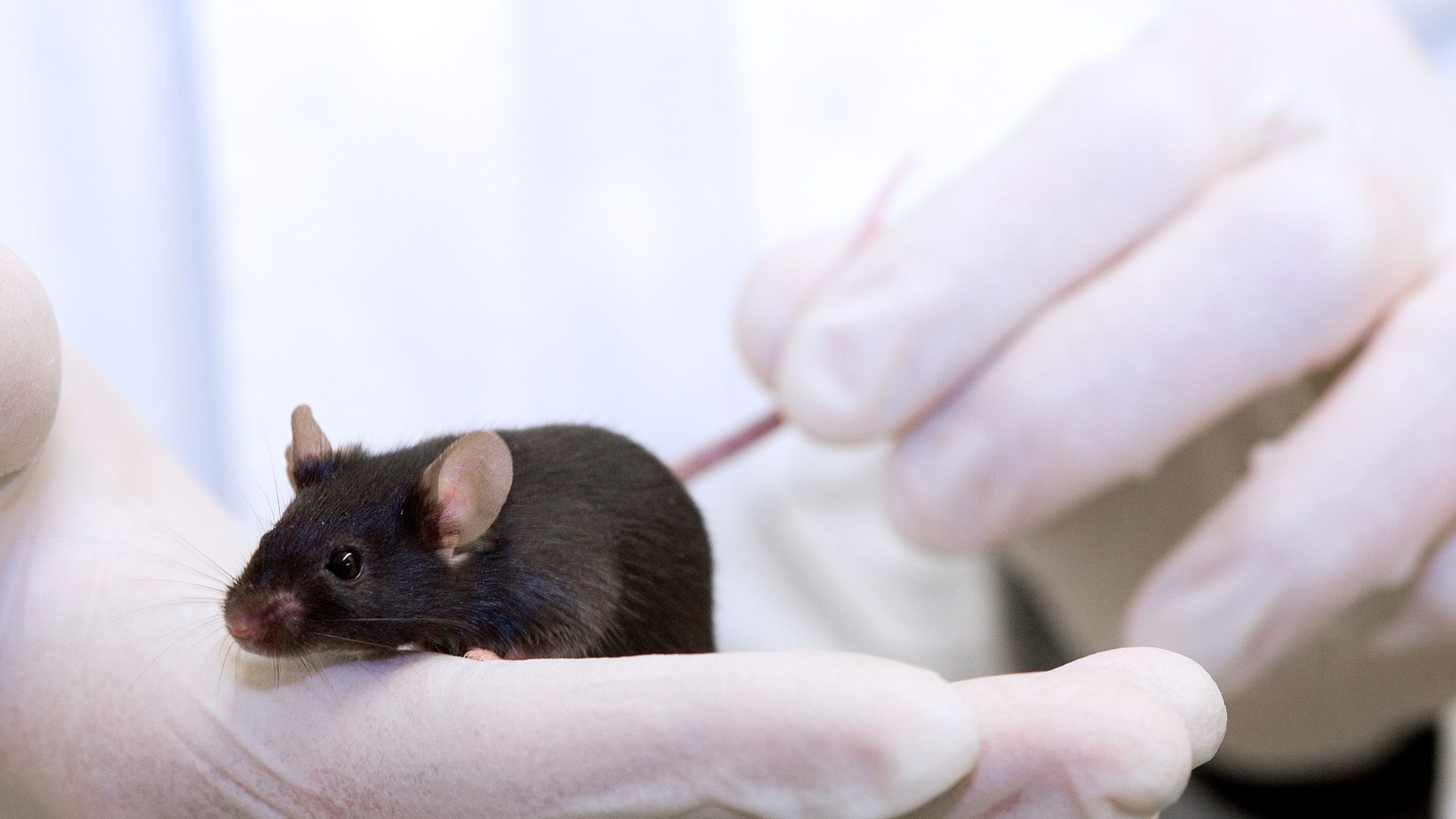
The authors hypothesize that the observed transgenerational decline may stem from an “acceleration of aging” triggered by microgravity, potentially affecting mitochondrial DNA that is passed from mother to offspring. This mechanism has been linked to increased cellular stress in previous mouse and human‑tissue studies.
While the findings are confined to mice, the species serves as a valuable model for probing how spaceflight influences reproductive health. Past work, such as the NASA Twins Study, has shown modest effects from short‑duration missions, but few investigations have addressed long‑term reproductive outcomes.
Moreover, the ISS environment exposes astronauts to lower levels of cosmic radiation than deep‑space missions. Dr. Ulrike Luderer, an independent expert, warned that journeys to Mars could exacerbate reproductive damage, noting that earlier research on Martian‑level radiation produced “a very significant decrease in the number of eggs and follicles in the ovaries.”
She emphasized the importance of expanding the suite of reproductive markers studied—beyond hormone levels—to better understand the long‑term consequences should humans spend extended periods in space or colonize another planet.
The study authors conclude that the work adds to the growing body of literature on spaceflight’s impact on the reproductive system, highlighting the need for continued investigation.
Source: Hong, X., Dalouchi, F., Prom, J. C., Ponte, M. E., Hockey, B. L., Braun, J. L., Nies, P., Stoltz, A., Chakravarthi, V. P., Sinha, M., Choi, S. Y., Ronca, A. E., Alwood, J. S., Fajardo, V. A., Morris, E. M., Puukila, S., & Christenson, L. K. (2026). Female reproductive dysfunction and transgenerational consequences following prolonged spaceflight exposure. Proceedings of the National Academy of Sciences, 123(27).
Also Read
- NATO-Backed Drone AI Autonomously Selects and Strikes Target in Swedish Test
- Treasury Secretary Warns AI Executives Will Be Held Accountable for Model Misdeeds
- Researchers Develop Swallowable Paper Battery to Power Temporary Internal Medical Devices
- Samsung C&T Backs Kairos Power With Up to $100 Million Investment for Google Nuclear Reactor Project


