






An unbothered, radical counter-narrative to hip-hop’s podcast establishment
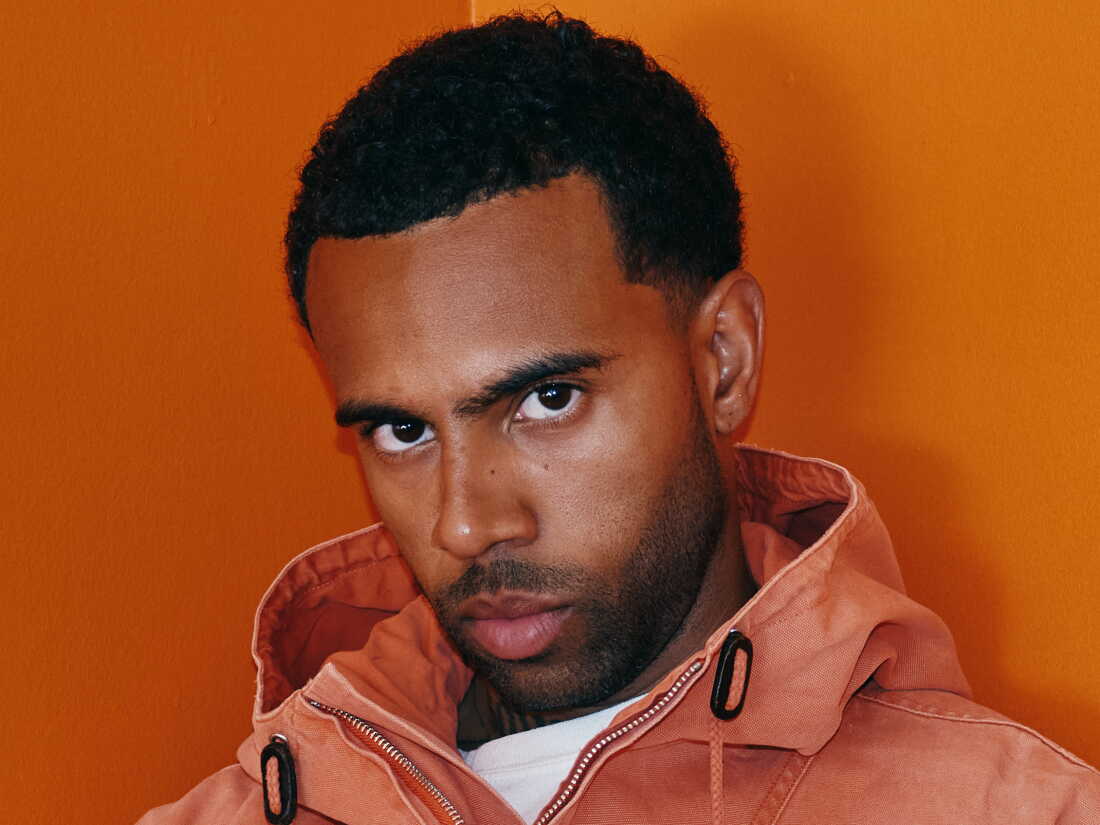

Courtesy of The Vic Mensa Show
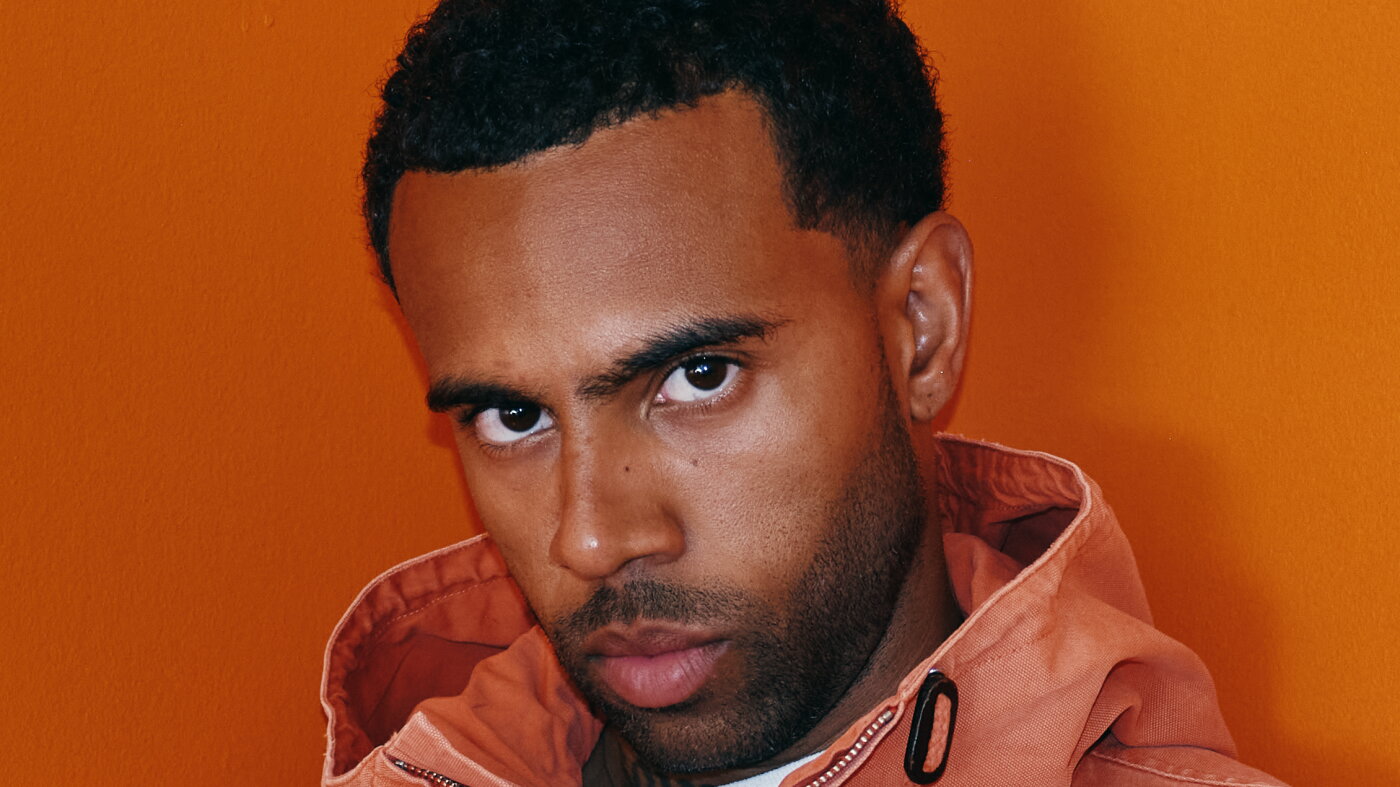
Vic Mensa sits at the forefront of commentators reclaiming spaces for radical Black tradition within hip-hop discourse.
During a sit-down with Rapsody on the third episode of The Vic Mensa Show, the rapper-turned-podcaster recalled “one of the most quintessential moments in Black thought.” He was paying reverence to a 1971 conversation between poet Nikki Giovanni and writer James Baldwin. Though that dialogue happened more than 50 years ago, it has become an ever-present meme in recent years for embodying the gender gap that can make Black love and Black survival feel like contradictory pursuits.
While ruminating over that classic exchange, Rapsody and Mensa stumbled onto a new question: “Where do Black men go to cry?” Mensa admitted he finds refuge alone in the shower. “You’ve been convinced that vulnerability is weak,” he said. “And you grow and you realize that it was a damn lie — that having vulnerability is far stronger than having some false machismo masculinity.”
In that moment, Rapsody casually rose and reached over to wipe the tears streaming down Mensa’s face. “I’m glad that you could cry my brother,” she responded. It was the most tender and vulnerable exchange I have ever witnessed on a podcast, compelling me to pause just to register what happened.

Source: YouTube
For at least a decade, podcasts have felt like rap’s final frontier, or an early retirement home for rappers parlaying their onstage talents into sideshow hosting roles. The medium launched by the original hip-hop podcaster Juan Ep and its contemporary The Combat Jack Show gave way to a generation that distilled the original formula to its lowest common denominator. Longform interviews and deep liner notes mostly gave way to trash talk, street gossip, and celebrity-driven opinions dredged from our broader cultural obsession with fame, power, and success.
In a space currently overrun by chatty personalities, the freshest podders on hot mics are offering a counterweight to rap’s reigning manosphere of podcast bros. I like to think of them as the podcast bruhs—an ideological alternative to the moderately conservative mainstream. Like the difference between rage-baiting and righteously raging against the machine. If one end is ruled by two of the highest-paid podcasters ranked by Forbes, Joe Budden and Charlamagne tha God, the other side is propped up by the likes of everyman Deante Kyle, a relative newcomer who only quit his truck driving gig a year ago to host the Grits & Eggs Podcast full-time.
Still, content is big business. Even in a beleaguered industry, Charlemagne tha God secured a $200 million bag. His Black Effect joint partnership with iHeart Podcasts now counts nearly 50 titles among a targeted roster it rolls out with the pace of a deep-pocketed major label in the ’90s. Podcasting has also become an extension of the art form, or performance art, per se. When Jadakiss throws a flag on his co-host Fat Joe’s flagrant fouls, we are all in on the gag. What figures like Mensa, Deante Kyle, and even scholar Marc Lamont Hill deliver is a type of performance, too. But their roles are steeped in a Black liberation politic that is equal parts sensitive, radical, and intersectional. Even if they are just a blip on the dial of toxic, misogynistic, materialistic content, they are a blip worth watching.
The Rapsody episode wasn’t Mensa’s first intimate moment with a guest. The first one happened when he confided through tears to his friend Chance the Rapper how much it hurt him—and his pockets—when Chance decided against inviting Vic on tour years ago. Chance didn’t try to wipe away those tears like Rapsody, but he did take a beat to empathize with Vic and apologize.
Toxicity loves company, and corporations love cashing in on the contagion with zero regard for its harmful effects. Mostly, these pods provide a critical voice in a field where anything other than mindless praise is viewed as knocking the hustle.
Source: YouTube
Like a Five Percenter with the delivery of a Southern preacher, Kyle’s community-minded commentary is uncut and unforgiving. Black celebrities get zero passes. When Jay-Z’s boycott-busting, exclusive vinyl deal with Target backfired this summer, Kyle pulled no punches. “I don’t know too much about Jay-Z personally,” he said. “I will tell you this. The n**** hates a protest.” Even LeBron’s recent $15 million Polymarket deal, which will keep him afloat more than his NBA paycheck this year, came under Kyle’s crosshairs. “Essentially, what LeBron James does is he helps usher in the newest generation of junkies,” he said on an episode titled “Polymarket Pimps.”
Mensa’s podcast is a spinoff of the heavily-parodied, viral “Orange Tree” shorts that found him kicking anti-capitalist ballistics in a tank top surrounded by citrus. His lineup of guests highlights a cross-section of Black culture from rap-adjacent to queer-friendly, including like-minded podcaster Van Lathan and singer Durand Bernarr. Mensa has also spoken about the challenge of securing funding for his show while avoiding gambling’s sweeping marketing push. Meanwhile, Joe Budden shows no shame in pitching his biggest sponsor, the prediction market site Prize Picks, during paid advertorials every episode.
But Budden clearly senses a shift, too. In 2024, he made the strategic move to add Hill to his show’s panel of homies and industry cronies. Whenever the CUNY professor rushes to some notable woman’s defense, his couch mates cringe so much that it’s become a predictable bit. Clearly, he challenges the pod—and its millions of monthly listeners and viewers—with his feminist, abolitionist views. While there is no metric to measure Hill’s positive impact, the move itself suggests how much Budden recognizes that his weekly conversations, which he clearly sees as a microcosm of the culture, are in desperate need of more intersectional thought.
In an era of anti-wokeness, it’s refreshing to find a few bruhs who refuse to sleepwalk.
These three figures alone are not the complete list, nor are they necessarily indicative of a trend. However, they make up a vanguard—along with leftist streamers and YouTube essayists—that seems to be rising up in meaningful corners of the Internet to help reclaim some space for the Black radical tradition. The younger audiences they serve are down to engage in the kind of dialogue and ideas that grounded forebears like Baldwin and Giovanni. Only once we start to have those conversations more freely and openly can we decolonize our minds, too.


