Netflix’s upcoming animated feature, Charlie vs. the Chocolate Factory, transports Roald Dahl’s classic world to modern‑day London. The story follows a new protagonist, Charlie Paley, whose desperate circumstances drive him and his friends to plan a daring break‑in at Willy Wonka’s factory. Their target is a priceless Wonka Bar, which they hope to seize in order to save their homes from eviction. Meanwhile, the eccentric chocolatier has just been released from prison after a bizarre incident that turned a child into a blueberry, setting the stage for a clash of ambition and mystery.
Taika Waititi Faces the Shadow of Three Legendary Willy Wonka Performances
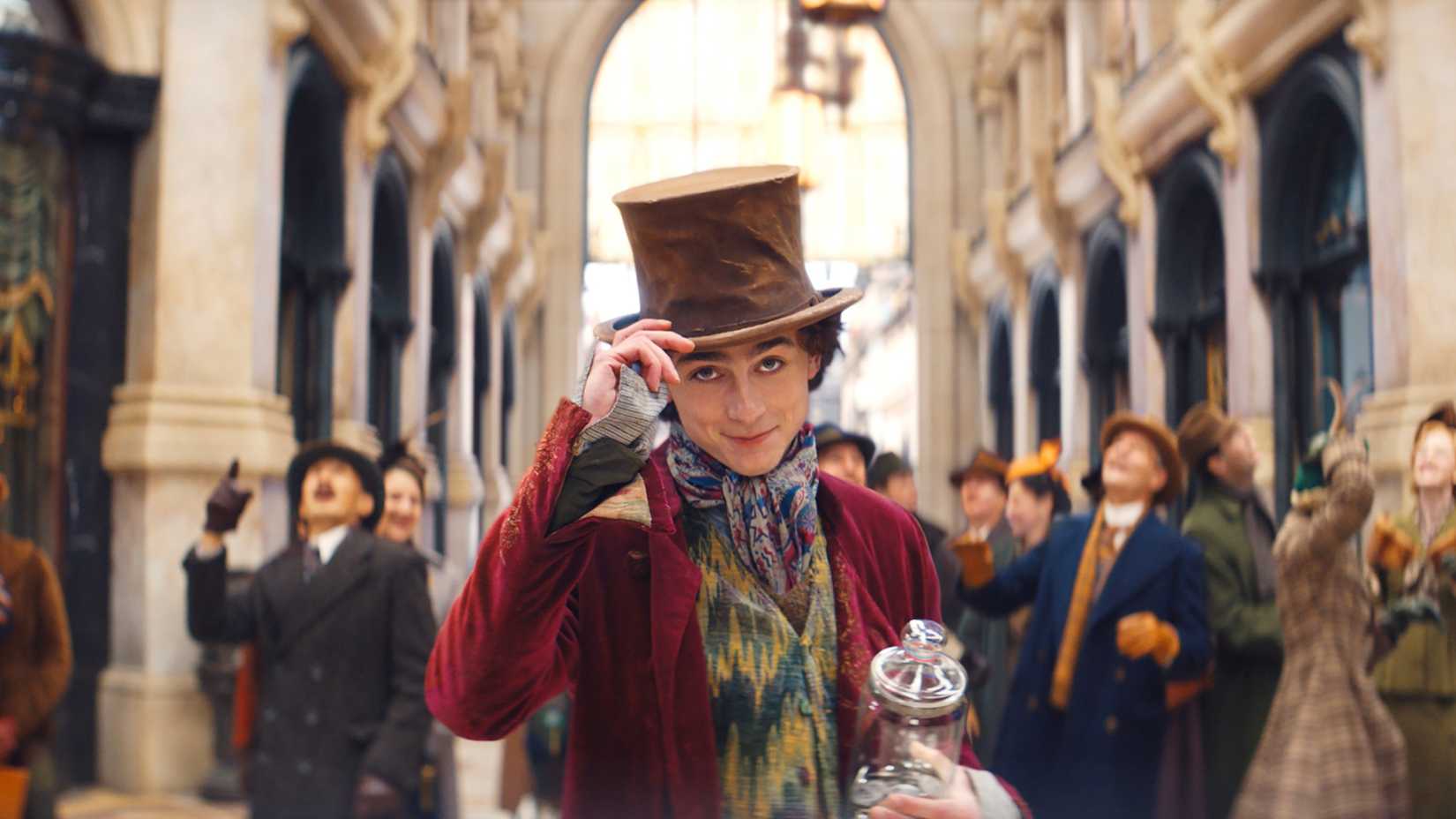
Waititi’s casting as Wonka invites inevitable comparisons to three iconic screen portrayals. Gene Wilder’s 1971 rendition remains the gold standard, blending whimsical charm with a unsettling unpredictability that left audiences unsure whether Wonka was jesting or threatening. Johnny Depp’s 2005 version for Tim Burton presented a more socially awkward, childlike Wonka, deliberately alien in demeanor and embodying the character’s troubled relationship with his own past. Timothée Chalamet’s 2023 take offered a younger, optimistic Wonka focused on entrepreneurial ambition and generosity, highlighting the chocolatier’s idealistic side.
Each performance highlighted a distinct facet of the character—Wilder’s menace, Depp’s vulnerability, and Chalamet’s idealism—leaving any successor to strike a fresh balance without merely echoing one of these icons.
 Image via Netflix
Wonka’s Animated New Era Turns Recasting Hurdles into Creative Opportunities
Animation grants Waititi a distinct advantage over his live‑action predecessors. Freed from the constraints of realistic performance, the medium allows for heightened physical comedy, exaggerated expressions, and visually bizarre designs that can amplify Wonka’s eccentricity. The film’s premise—Wonka’s imprisonment after the blueberry incident and his return to the factory—provides fertile ground for a mischievous, absurdist interpretation that aligns with Waititi’s proven ability to blend dark humor with genuine emotion, as seen in Thor: Ragnarok and Jojo Rabbit.
By leveraging the visual freedom of animation and exploring Wonka’s more playful, unpredictable side, Charlie vs. the Chocolate Factory aims to present a version of the character that feels both familiar and refreshingly new.