



![Penguins Lock Up Chinakhov With Three-Year, .75M Deal</TITLE]](https://i2.wp.com/prohockeynews.com/wp-content/uploads/2024/06/PIT-coffee.jpg?w=1024&resize=1024,1024&ssl=1 "Penguins Lock Up Chinakhov With Three-Year, .75M Deal</TITLE]")





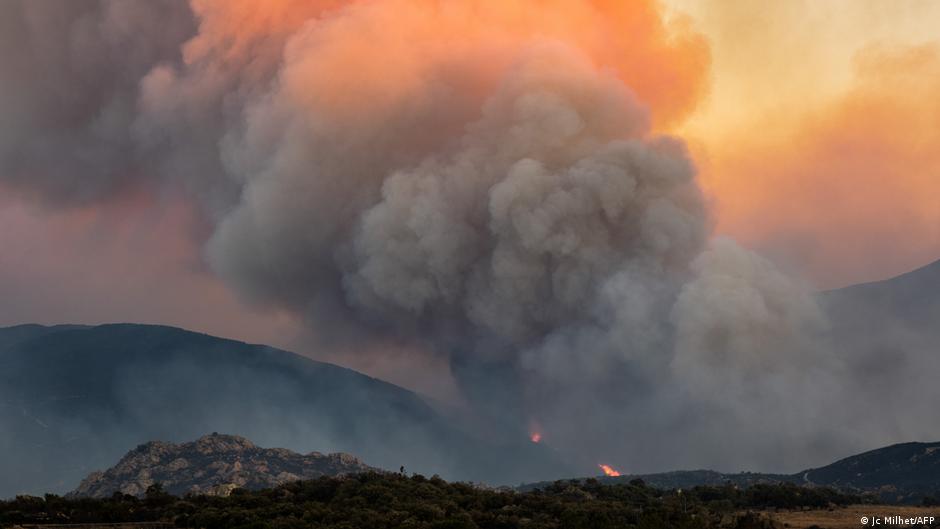
Wildfires across Portugal, Spain, France, Greece and several other nations have prompted mass evacuations and endangered the Tour de France route.
The blazes, which have already razed over 20,000 hectares (approximately 50,000 acres), follow severe heatwaves in May and June that were linked to thousands of fatalities across the region.
French authorities ban spectators at Tour de France stage
In southwestern France, around 10,500 residents were ordered to evacuate homes near Perpignan as a Pyrenean wildfire consumed more than 4,600 hectares.
Organizers have announced that Monday’s third Tour de France stage through the Pyrenees will be conducted without spectators due to fire risks, officials said.
Only riders and their team vehicles will be permitted on the 196‑kilometer (122‑mile) route that traverses from Spain into France.
Regional prefect Pierre Regnault de la Mothe informed reporters: “I regret having to acknowledge that, at least in France, the Tour de France stage will be held without spectators.”
A separate fire in the southeastern Drome department is being tackled by hundreds of firefighters.
Spain, Greece and Portugal see major blazes
In northeastern Spain’s Girona region, a wildfire ignited on Friday threatened the Costa Brava’s tourist beaches, burning close to 2,200 hectares (approximately 5,400 acres) and remaining uncontrolled as of Monday.
Temperatures across the country have surpassed 40 °C (104 °F) in certain areas, raising concerns about potential new outbreaks.
In Greece, a forest fire ignited two factories in Thessaloniki, prompting authorities to evacuate nearby areas and instruct residents to keep windows closed.
In Portugal, a wildfire that scorched roughly 13,000 hectares of forest and scrubland in a northern district has reportedly been contained, though four regions remained under heat alerts on Monday.
Climatologists agree that anthropogenic fossil‑fuel emissions are intensifying heatwaves and extreme weather events, thereby heightening the risk of both wildfires and flooding.
Edited by: Zac Crellin
Also Read
- Plus500 Capitalizes on World Cup Betting Surge as Prediction Markets Hit Record Highs
- India and Europe seek to diversify solar supply chains amid China’s market dominance
- European Commission renews pressure to open new accession cluster with Serbia
- Serena Williams’ Market Influence Extends Beyond Wimbledon and Tennis


